
Digestive problems are among the most common physical symptoms of stress.
Many people have experienced a knot in their stomach before an important meeting, nausea before a presentation, or an urgent need to visit the toilet during a stressful situation. Others notice changes in appetite, abdominal discomfort, or worsening digestive symptoms during particularly demanding periods.
These experiences are common because the digestive system is closely connected to the brain through a network of nerves, hormones, immune signals, and chemical messengers.
Understanding this connection helps explain why stress can influence digestion so quickly and why prolonged pressure sometimes contributes to longer-term digestive problems.
Key Takeaways
- Digestive symptoms are among the most common physical signs of stress.
- The digestive system communicates directly with the brain through the gut-brain axis.
- Stress can influence appetite, digestion, gut motility, inflammation, and pain sensitivity.
- Acute stress and chronic pressure affect digestion through related but distinct processes.
- Chronic pressure can contribute to conditions such as irritable bowel syndrome (IBS) and may worsen existing digestive disorders.
- Supporting recovery and maintaining healthy lifestyle habits can benefit both digestive health and overall wellbeing.
Common Digestive Symptoms of Stress
Stress can affect the digestive system in many different ways.
Common symptoms include:
- diarrhea
- constipation
- stomach cramps
- abdominal pain
- indigestion
- nausea
- appetite changes
- bloating
- worsening symptoms of irritable bowel syndrome (IBS)
Some people primarily experience symptoms during stressful events. Others notice that digestive problems become more frequent when pressure remains present for weeks or months.
Why the Gut Responds So Quickly to Stress
The digestive system contains an extensive network of neurons known as the enteric nervous system.
This network is sometimes called the body's "second brain" because it contains hundreds of millions of nerve cells capable of coordinating many digestive functions independently.
The enteric nervous system communicates continuously with the brain through the gut-brain axis.
One of the most important communication routes is the vagus nerve, which carries signals between the brain and digestive organs.
Communication also occurs through hormones, immune signals, and chemical messengers produced by both the brain and the digestive system.
As a result, psychological stress can influence digestive function within minutes.
This explains why a stressful conversation, examination, deadline, or conflict can quickly produce digestive symptoms even though nothing has changed in the digestive tract itself.
How Stress Changes Digestive Function
The body's stress response affects digestive activity in several ways.
During stressful situations, resources are temporarily redirected toward dealing with the perceived challenge. Processes that are less important for immediate survival, including parts of digestion, receive lower priority.
This can change how food moves through the digestive tract.
In the upper digestive system, stress often slows movement. Food remains in the stomach longer, which may contribute to nausea, reduced appetite, or feelings of fullness.
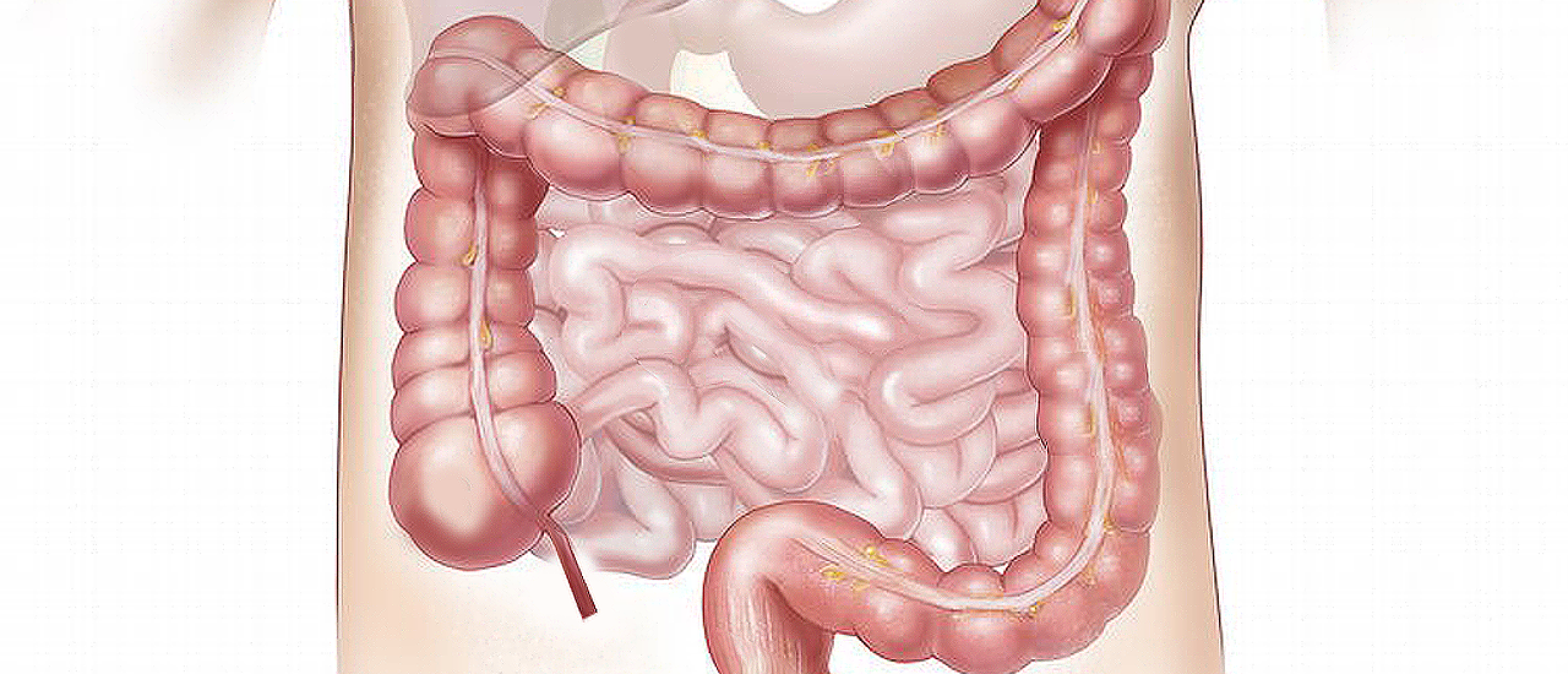
In the lower digestive tract, stress frequently increases activity. This can speed up bowel movements and contribute to diarrhea, urgency, or abdominal cramping.
These responses are coordinated by the autonomic nervous system.
The sympathetic nervous system, which helps prepare the body for action, becomes more active during stress. The parasympathetic nervous system, which supports digestion and recovery, becomes relatively less dominant.
This helps explain why relaxation techniques such as slow breathing can sometimes reduce digestive symptoms. They support a shift toward parasympathetic activity, allowing digestive processes to function more normally.
The Role of CRF: A Key Stress Messenger
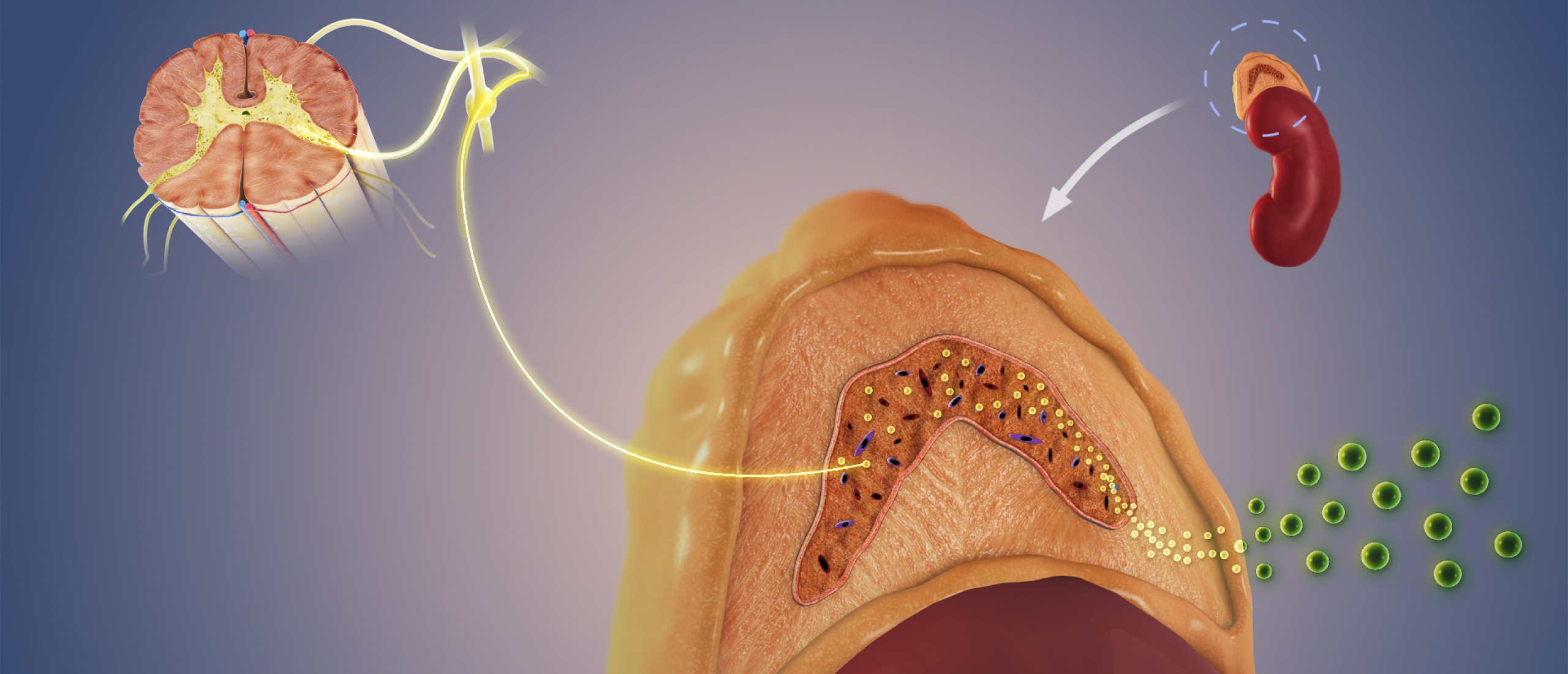
One of the most important substances involved in the stress response is corticotropin-releasing factor (CRF).
CRF is released by the hypothalamus when the brain detects a challenge or threat. It helps coordinate the body's stress response by activating hormone systems and increasing alertness.
Research has shown that CRF also influences the digestive system directly.
CRF can activate immune cells known as mast cells within the gut. These cells release substances that increase gut sensitivity, influence inflammation, and alter intestinal movement.
This process may help explain why stress is often accompanied by symptoms such as abdominal pain, cramping, diarrhea, or digestive discomfort.
The biological purpose of these responses is thought to be protective. However, when pressure becomes chronic, the same mechanisms can contribute to ongoing digestive difficulties.
Brain Regions That Influence Digestive Stress
Several brain regions play an important role in the relationship between stress and digestion.
The Amygdala
The amygdala helps detect potential threats and generates emotional responses such as fear and anxiety.
When pressure increases, the amygdala becomes more active and helps initiate the body's stress response. Increased amygdala activity has been linked to greater digestive sensitivity and stronger reactions to gastrointestinal discomfort.
The Hypothalamus
The hypothalamus acts as a central coordinator of the stress response.
It releases corticotropin-releasing factor (CRF), which activates both hormonal and nervous system responses involved in stress adaptation.
Because CRF also influences digestive function, the hypothalamus plays an important role in connecting psychological experiences with physical symptoms in the gut.
The Locus Coeruleus
The locus coeruleus is a small brain structure that produces noradrenaline, a chemical involved in alertness and vigilance.
During stressful situations, activity in this region increases. This heightened state of arousal can reinforce stress-related signals throughout the body, including those affecting the digestive system.
Together, these brain regions form part of a network that helps explain why emotional pressure can influence digestive function so rapidly.
Digestive Symptoms During Acute Stress and Chronic Pressure
Digestive symptoms can occur during both acute stress and chronic stress, although the mechanisms and timescales differ.
Many people have experienced a knot in the stomach before a presentation, nausea before an important conversation, or an urgent need to use the toilet during a stressful situation. These reactions are part of the acute stress response. They occur quickly and often disappear once the situation has passed.
Chronic pressure involves a different process.
When demands remain present for longer periods, the digestive system may be exposed to repeated activation of stress-related pathways. Over time, this can influence digestive functioning, symptom severity, and vulnerability to certain gastrointestinal conditions.
This distinction helps explain why digestive symptoms can appear both during a stressful moment and during prolonged periods of pressure.
When Pressure Contributes to Digestive Disorders
Digestive symptoms are common during stressful periods. In some people, pressure may also contribute to the worsening of existing digestive conditions.
Irritable Bowel Syndrome (IBS)
IBS is one of the conditions most strongly associated with stress.
People with IBS often experience abdominal pain, bloating, diarrhea, constipation, or a combination of these symptoms.
Research suggests that individuals with IBS may show increased sensitivity to CRF and other stress-related signals, making their digestive systems more reactive during stressful periods.
Dyspepsia
Dyspepsia, commonly referred to as indigestion, is associated with symptoms such as upper abdominal discomfort, early fullness, and nausea.
Stress can influence stomach emptying and digestive function, increasing the likelihood of symptoms in susceptible individuals.
Peptic Ulcers
Peptic ulcers were once considered a classic stress-related condition.
Today, researchers know that factors such as Helicobacter pylori infection and medication use play important roles. Stress is no longer viewed as the sole cause.
However, ongoing pressure may still influence biological processes involved in ulcer development and symptom severity.
Inflammatory Bowel Disease (IBD)
Conditions such as Crohn's disease and ulcerative colitis involve chronic inflammation of the digestive tract.
Stress does not appear to cause these diseases directly. Research suggests that stressful periods may contribute to symptom flare-ups and disease activity in some individuals.
The precise mechanisms remain under investigation, but interactions between the immune system, stress hormones, and the gut-brain axis are likely involved.
The Microbiome: A Two-Way Relationship
One of the most fascinating discoveries in recent years involves the gut microbiome.
The digestive tract contains trillions of microorganisms that help digest food, support immune function, and influence many aspects of health.
Researchers have found that these microorganisms also communicate with the brain.
Signals travel through the vagus nerve, the immune system, and a variety of chemical messengers produced by gut bacteria.
This creates a two-way relationship.
Stress can alter the composition of the microbiome.
At the same time, the microbiome appears to influence stress sensitivity, emotional regulation, and even aspects of brain development and functioning.
The microbiome is influenced by many factors, including diet, sleep, physical activity, medication use, and stress exposure. This may be one reason why healthy lifestyle habits are associated with better digestive health and greater resilience during stressful periods.
Although many questions remain unanswered, the microbiome has become one of the most promising areas of research within the broader field of stress and health.
Supporting Digestive Health During Stressful Periods
Because the digestive system is so closely connected to the stress response, supporting recovery often helps improve digestive wellbeing.
Several approaches may be beneficial.
Support a Healthy Microbiome
A diet rich in vegetables, fruits, legumes, and other fibre-rich foods helps support beneficial gut bacteria.
These dietary patterns are associated with better digestive and overall health.
Strengthen Recovery
Sleep, physical activity, relaxation, and opportunities for mental recovery help regulate the stress response and support healthy digestive function.
Use Psychological Approaches When Appropriate
For some conditions, particularly IBS, approaches such as cognitive behavioural therapy, mindfulness-based interventions, hypnosis, and psychotherapy have shown benefits.
These approaches help address the gut-brain connection directly.
Address Sources of Ongoing Pressure
Digestive symptoms often improve when underlying pressures are reduced.
Work demands, relationship difficulties, financial concerns, uncertainty, and other chronic stressors can all contribute to ongoing activation of the stress response.
Understanding and addressing these pressures is often an important part of long-term improvement.
Feeling the Effects of Ongoing Pressure?
Digestive symptoms are only one of the many ways sustained pressure can affect the body.
The free guide Signs You're Under Too Much Pressure explains how pressure can influence recovery, functioning, emotions, concentration, sleep, and physical health long before exhaustion becomes obvious.
Recognizing these patterns early often creates more opportunities to respond before pressure becomes harder to manage.
Frequently Asked Questions
Can stress really cause digestive problems?
Yes. Stress can influence digestive activity, gut sensitivity, inflammation, appetite, and bowel habits through the gut-brain axis. Many people experience digestive symptoms during stressful periods.
Why does stress cause diarrhea?
Stress activates nervous system and hormonal pathways that can increase movement in the lower digestive tract. This may lead to urgency, diarrhea, or abdominal cramping.
Can stress make IBS worse?
Research consistently shows that stress can worsen IBS symptoms in many individuals. Increased sensitivity to stress-related signals appears to play an important role.
What is the gut-brain axis?
The gut-brain axis refers to the communication network connecting the digestive system and the brain through nerves, hormones, immune signals, and the microbiome.
Can improving stress help digestive symptoms?
For many people, supporting recovery and reducing chronic pressure can improve digestive wellbeing. The extent of improvement depends on the specific condition and individual circumstances.