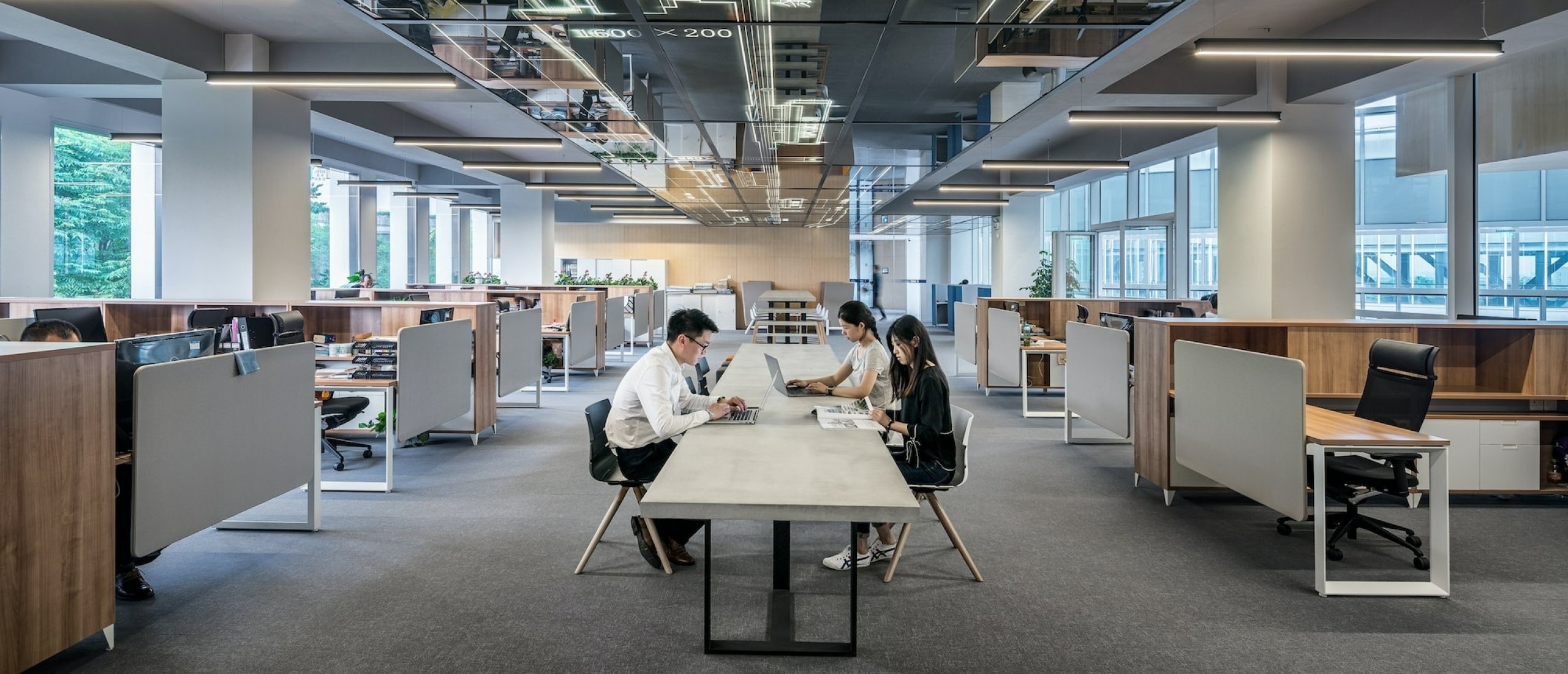

Workplace distractions are often treated as minor annoyances.
A conversation nearby, a ringing phone, a colleague stopping by with a question, or a steady stream of background noise may seem insignificant on their own. Yet when these interruptions occur repeatedly throughout the day, they can have a meaningful impact on concentration, mental energy, and productivity.
Open office layouts were originally designed to improve collaboration and communication. By removing physical barriers between employees, organizations hoped to encourage teamwork, faster information sharing, and stronger workplace relationships.
While these goals are understandable, research suggests that open office environments can also create challenges. Noise, interruptions, and limited privacy may place continuous demands on attention, making it more difficult to focus and recover during the workday.
Understanding how workplace environments affect concentration and performance can help organizations create conditions that support both collaboration and sustainable productivity.
Key Takeaways
- Open office layouts can increase interruptions, noise, and competing demands on attention.
- Frequent distractions may contribute to mental fatigue and reduced concentration.
- Lack of privacy and reduced control over the work environment can become sources of workplace pressure.
- Open offices do not always increase collaboration and may sometimes reduce face-to-face interaction.
- Workplace design can influence recovery, productivity, and overall wellbeing.
- Small changes to the work environment can improve focus without eliminating opportunities for collaboration.
Why Open Offices Became Popular
The open office concept emerged during the 1960s as part of a movement to create more flexible and collaborative workplaces.
Traditional offices often separated employees into individual rooms or departments. Open layouts aimed to encourage communication by removing physical barriers and creating shared spaces where people could interact more easily.
Over time, open offices became increasingly popular. Organizations viewed them as a way to promote teamwork, make better use of office space, and reduce costs.
Many modern workplaces continue to use open layouts because they are assumed to encourage collaboration and innovation.
The question is whether these benefits always outweigh the pressures created by a more open environment.
Do Open Offices Increase Collaboration?
One of the main arguments in favour of open office layouts is that they encourage communication.
The scientific evidence is more mixed than many people expect.
A widely discussed study published in 2018 examined communication patterns before and after employees moved from private offices to open office environments. Researchers observed a substantial decrease in face-to-face interaction after the transition. Electronic communication, including email and instant messaging, increased instead.
These findings suggest that people may respond to increased exposure by reducing direct interaction rather than increasing it.
One possible explanation is that employees try to protect their concentration. In a busy environment, digital communication can feel less disruptive than initiating another face-to-face conversation.
Different work environments create different advantages and challenges. The effectiveness of an office layout depends largely on the work being performed and the needs of the people using it.
Workplace Distractions and Attention
The most consistent criticism of open office environments concerns distractions.
Human attention is a limited resource. Every interruption requires the brain to shift focus away from the current task and then reorient itself afterwards.
Common workplace distractions include:
- conversations between colleagues
- phone calls
- notifications
- people moving through shared spaces
- background noise
- unexpected interruptions
A single distraction may only last a few seconds. The effect on concentration often lasts longer.
After an interruption, people frequently need time to regain their previous level of focus. When interruptions occur repeatedly throughout the day, concentration becomes fragmented and work can feel slower and more effortful.
This is particularly challenging for tasks that require deep thinking, careful analysis, creativity, or complex decision making.
How Workplace Distractions Affect Thinking and Performance
One of the most important consequences of workplace distractions is their effect on cognitive functioning.
Many employees describe feeling busy all day while making less progress than expected.
Part of this experience may result from constant attentional switching.
Each time attention is redirected, the brain must disengage from one task and engage with another. This process requires mental effort. When it happens repeatedly, people may begin to experience mental fatigue even if they have not completed a large amount of meaningful work.
Over time, employees may notice:
- difficulty concentrating
- increased mental fatigue
- reduced productivity
- slower decision making
- more mistakes
- greater difficulty prioritizing tasks
These changes often reflect the cumulative effect of a work environment that continuously competes for attention.
The Role of Privacy and Control
Open office environments affect more than concentration.
Many employees also report a lack of privacy and a reduced sense of control over their surroundings.
Privacy serves several functions at work. It allows people to hold sensitive conversations, think through complex problems, and recover briefly from social demands. In open environments, these opportunities are often limited.
Employees frequently adapt by wearing headphones, searching for empty meeting rooms, arriving earlier than colleagues, or working from home when possible. These behaviours suggest that people are actively trying to create conditions that support concentration and reduce interruptions.
Control plays an important role as well.
Research consistently shows that having influence over one's environment can reduce the impact of workplace pressures. When employees cannot control noise levels, interruptions, or opportunities for focused work, everyday demands may feel more draining.
Different types of work place different demands on the environment. Some tasks benefit from collaboration, while others require sustained concentration and minimal interruption.
Open Offices, Recovery, and Mental Fatigue
Many forms of workplace pressure are easy to recognize.
Heavy workloads, unrealistic deadlines, and long working hours tend to attract attention because they are highly visible.
The effort required to maintain concentration in a distracting environment is less obvious.
Yet it still consumes mental energy.
Throughout the day, employees may repeatedly redirect their attention, filter out background noise, and recover from interruptions. Individually these demands appear minor. Together they can contribute to substantial mental fatigue by the end of the day.
People often describe feeling exhausted despite spending most of the day sitting at a desk.
Part of that fatigue may reflect the effort involved in maintaining focus under less-than-ideal conditions.
When this pattern continues over long periods, recovery becomes increasingly important. Employees who leave work mentally depleted may find it harder to detach from work, engage in meaningful recovery activities, or arrive refreshed the following day.
Do Open Offices Increase Stress?
Researchers have investigated whether open office layouts directly increase stress, but the findings remain mixed.
Some studies have reported higher rates of sick leave, lower job satisfaction, and greater fatigue among employees working in open offices. Other studies have found benefits such as increased movement throughout the workday.
The picture becomes clearer when attention is directed toward the pressures created by the environment.
Noise, interruptions, limited privacy, and reduced control are all factors that have been linked to workplace stress. Different employees may experience these pressures differently depending on their role, personality, and the nature of their work.
For example, an environment that supports rapid collaboration may work well for highly interactive teams. The same environment may create significant challenges for employees performing tasks that require sustained concentration.
The effectiveness of an office layout depends largely on whether it supports the type of work employees are expected to perform.
Creating Work Environments That Support Focus and Collaboration
Organizations do not necessarily need to choose between collaboration and concentration.
Many workplaces are experimenting with designs that provide both.
Examples include:
- quiet rooms for focused work
- phone booths for private conversations
- designated collaboration areas
- flexible work arrangements
- hybrid work models
- clear norms around interruptions and availability
Small changes can sometimes have a meaningful impact on employees' ability to concentrate and recover during the workday.
Workplace design influences much more than aesthetics. It shapes how people communicate, how they use their attention, and how much mental effort is required to complete their work.
Workplace Design and the Pressure Pathway
The effects of workplace distractions often emerge gradually.
Frequent interruptions can fragment attention day after day, increasing mental fatigue and making recovery more important.
This process closely resembles the pattern described in the Stressinsight Pressure Pathway. Ongoing demands create pressure, pressure influences concentration and recovery, and changes in functioning gradually begin to appear.
When recovery repeatedly falls short, concentration becomes harder to maintain. Work may require more effort. Decision making can slow down and mistakes may become more frequent.
These changes often develop long before exhaustion becomes obvious, which is why early recognition is so important.
Feeling Busy All Day but Struggling to Focus?
Workplace distractions are only one example of how pressure can influence concentration, recovery, and performance.
Many people notice these changes gradually and assume they are simply part of modern work.
Download the free guide Signs You're Under Too Much Pressure to learn how sustained pressure can affect thinking, recovery, and wellbeing long before exhaustion becomes obvious.
Frequently Asked Questions
Do open offices reduce productivity?
Research suggests that open offices can increase interruptions and make concentration more difficult for some employees. The impact depends on the type of work being performed and the availability of spaces for focused work.
Why are open offices distracting?
Common distractions include conversations, phone calls, movement, notifications, and background noise. Frequent interruptions can fragment attention and make it harder to maintain focus.
Can open office environments increase stress?
Some studies have linked open office environments to greater fatigue, lower job satisfaction, and increased sick leave. The evidence is mixed, but workplace distractions, lack of privacy, and reduced control can contribute to workplace pressure.
Why do employees wear headphones in open offices?
Headphones often help reduce distractions and create a sense of privacy. Many employees use them to support concentration and manage interruptions.
What is the biggest problem with open office layouts?
Research most consistently points to distractions, noise, and limited privacy as the main challenges. These factors can affect concentration, mental energy, and productivity.
How can organizations improve open office environments?
Organizations can support both collaboration and concentration by providing quiet workspaces, private meeting areas, flexible work arrangements, and clear expectations around interruptions.