
Stress at work is something nearly everyone encounters during their career. Whether it’s tight deadlines, workplace conflict, job insecurity, or a lack of control, work can place overwhelming demands on your mental and physical health. But what exactly is stress — and more importantly, what can you do about it?
This comprehensive guide will walk you through what stress at work really is, how to recognize it, and — most critically — what you can do to protect yourself from its harmful effects.
What Is Stress Really?
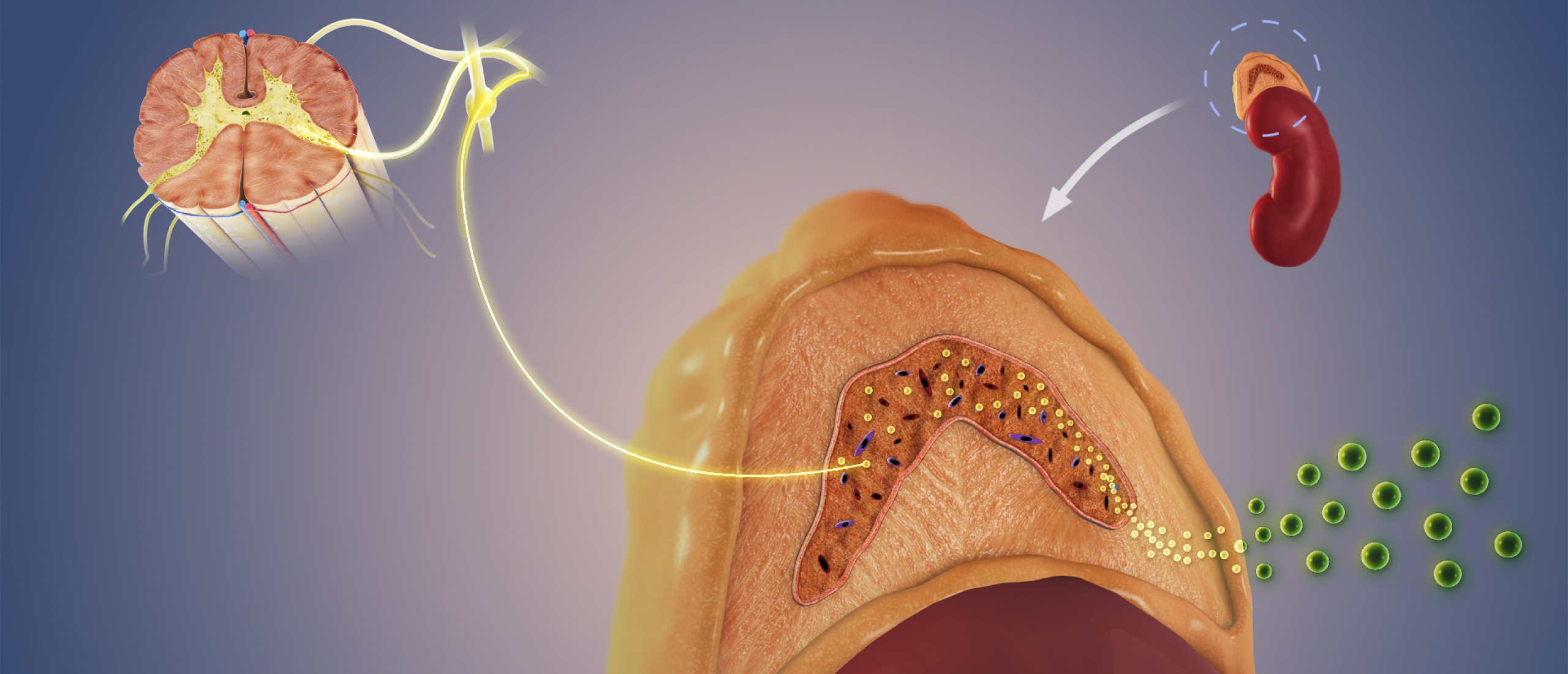
Before you can reduce stress, it’s essential to understand what it is. Stress is a biological state that prepares the body to take immediate action in the face of a threat — known as the "fight-or-flight" response. This mechanism is ancient and shared across virtually all vertebrate species.
In modern life, however, the threats we face are less about predators and more about difficult managers, high workloads, and job insecurity. Yet the physiological stress response is the same: adrenaline pumps through the body, your heart rate increases, and your brain gears up to focus.
Good Stress vs. Bad Stress
In short bursts, stress is helpful. It gives you the energy and focus you need to solve a problem. But when stress is prolonged or constant, it becomes harmful. This is known as chronic stress, and it:
- Weakens the immune system
- Raises the risk of cardiovascular disease
- Contributes to anxiety, depression, and burnout
- Affects sleep, focus, and digestion
Chronic stress is especially common at work, where many people feel trapped in long-term high-pressure environments.
The Three Phases of Stress
- Alarm phase — You perceive a threat (e.g., a demanding client or a new deadline). Your stress response activates.
- Coping phase — Your body and brain respond to solve the problem, either by action or adjustment.
- Recovery or exhaustion — If you resolve the problem, stress ends. If not, you enter a state of chronic stress that drains your body and mind.
Stress management is all about maximizing the recovery phase and avoiding exhaustion.
Common Causes of Stress at Work
- Tight deadlines
- Long hours
- Work-life imbalance
- Poor workplace atmosphere
- Fear of job loss
- Lack of autonomy or control
- Pressure to perform
- Unrealistic expectations
These issues, especially when they accumulate or go unresolved, can push your stress from short-term to chronic.
Signs and Symptoms of Chronic Stress
Recognizing the signs is the first step toward change. Watch for:
- Irritability or anxiety
- Depression
- Insomnia
- Fatigue
- Difficulty concentrating
- Muscle tension
- Headaches
- Loss of libido
- Social withdrawal
- Increased substance use
While none of these symptoms are exclusive to stress, a combination of them — especially in the context of work — should prompt concern and action.
How Stress Affects Communication and Collaboration
High stress doesn't just affect individuals — it disrupts teams. Stressed colleagues may:
- Forget important parts of conversations
- Misinterpret instructions
- Become more easily distracted or reactive
Understanding these dynamics can help create a more supportive workplace. Instead of blaming a colleague, consider whether stress might be the root cause.
10 Effective Ways to Reduce Chronic Work Stress
- Learn What Stress Really Is
Knowledge is power. Understanding how stress works biologically and psychologically helps you respond more effectively. - Practice Relaxation Techniques
Yoga, meditation, and breathing exercises calm your nervous system and help you reset your mind. - Make Time for Joy and Recovery
Invest in time with family, hobbies, and rest. This renews your energy and perspective. - Find Control Outside of Work
Volunteer, organize events, or take up leadership in your community — where your decisions matter. - Talk It Out
Social support is one of the most evidence-based stress buffers. Talk to people you trust. - Do a Self-Audit
When are you most stressed? Keep a diary or ask yourself what triggers your stress. Awareness is the first step to change. - Improve Communication Skills
Use "I messages" to discuss your stress without attacking others. Focus on how events affect you personally. - Prioritize and Delegate
Use time management frameworks like the Eisenhower Matrix to handle what matters most and drop what doesn’t. - Seek Professional Help
If stress is severe or persistent, don’t hesitate to consult a psychologist. They can help uncover deeper personality or emotional patterns affecting your response. - Advocate for Changes in the Work Environment
Sometimes the source of stress isn’t personal — it’s systemic. Workflows that are inefficient, a culture of overwork, or unclear communication channels can all create chronic stress. Employees can play a powerful role in changing these environments by raising concerns, suggesting improvements, or collaborating on team initiatives to create a more positive, supportive culture. Transforming your work setting may take time, but even small wins can significantly reduce daily stress.
What Employers Can Do to Reduce Employee Stress
Leaders play a vital role in reducing stress:
- Avoid micromanagement and trust teams to do their work
- Be clear about expectations and how roles contribute to company goals
- Support work-life boundaries, especially regarding after-hours emails
- Back up your team during difficult interactions with clients
- Use "I message" feedback techniques to maintain respect and clarity
- Foster psychological safety so employees feel comfortable speaking up
The Economic Case for Reducing Work Stress
Chronic stress isn’t just a personal issue — it’s an economic one:
- In the U.S., stress contributes to $500 billion in lost productivity per year
- In the Netherlands, a 1% drop in absenteeism could save businesses over $2.6 billion
- Stress is the leading cause of sick leave in many countries
Investing in stress reduction isn’t just ethical — it’s smart business.
Employees Have More Power Than They Think
Don’t let the stigma around stress stop you from speaking up. When done constructively, your feedback can lead to positive changes:
- Your manager hired you for your strengths — not to burn you out
- Replacing an employee is expensive and time-consuming
- Most managers want to help — if you approach them with clarity and respect
You have more leverage than you might realize. Use it to advocate for healthier work conditions.
Ready to Take Action?
Scientific insights about stress are growing every year — but most never reach the public. That’s why we created Stressinsight.
Our mission is to bring you the latest, science-backed tools for reducing and preventing stress. With our course “Surmounting Stress,” you’ll gain practical knowledge, personal guidance, and access to a supportive community.
Take the first step toward a healthier work life — and a more sustainable career.