
Most people have experienced it.
A difficult conversation with a manager.
An important presentation.
An unexpected problem at work.
Suddenly your heart starts beating faster.
For some people, the sensation is brief and quickly forgotten. Others become concerned when it happens repeatedly and begin to wonder whether stress can really affect the heart so strongly.
The answer is yes.
A faster heart rate is one of the most immediate physical signs of the stress response. In many situations, it reflects the body's attempt to adapt to a challenge.
Understanding why this happens can help you recognize what your body is responding to and when a racing heart may be a sign that pressure has remained elevated for too long.
Key Takeaways
- A faster heart rate is a normal part of the stress response.
- Adrenaline prepares the body for action by increasing heart rate and energy availability.
- Psychological challenges can trigger many of the same physiological responses as physical threats.
- Temporary increases in heart rate during stressful situations are usually harmless.
- Repeated activation of the stress response may indicate that pressure remains high and recovery is becoming incomplete.
- Persistent symptoms, chest pain, dizziness, or unexplained palpitations should be evaluated by a healthcare professional.
Why Does Stress Make Your Heart Race?
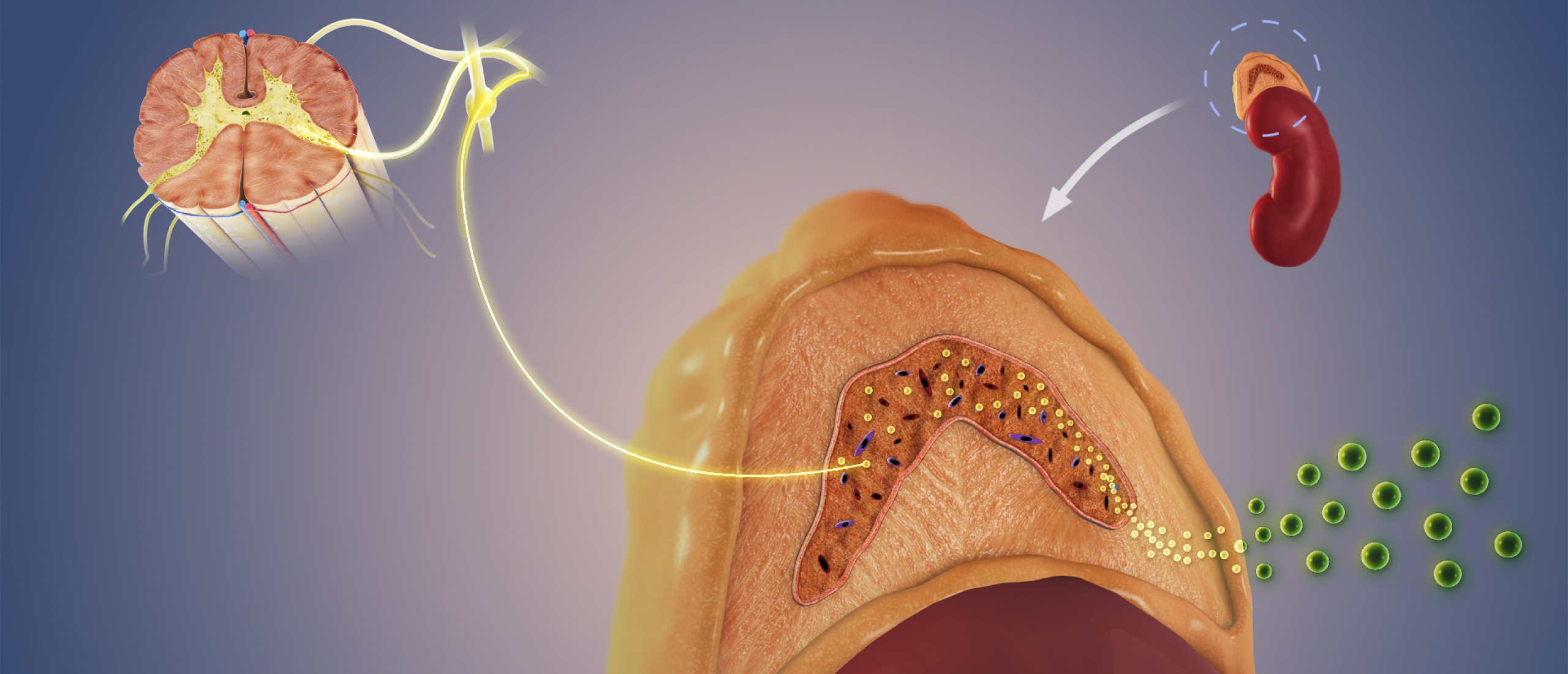
When the brain detects a challenge, it activates the sympathetic nervous system.
One consequence is the rapid release of adrenaline from the adrenal glands.
Adrenaline is one of the body's fastest-acting stress hormones. Within seconds, it prepares the body to respond by:
- Increasing heart rate
- Raising blood pressure
- Increasing breathing rate
- Releasing stored energy into the bloodstream
- Directing resources toward systems involved in immediate action
These changes help us respond to demanding situations.
Although modern stressors are often psychological rather than physical, the response remains largely the same. A difficult meeting, financial uncertainty, public speaking, or workplace conflict can trigger many of the same physiological reactions that originally helped our ancestors respond to danger.
Your Heart Is Responding to Perceived Demands
Many people are surprised when their heart races even though they are sitting still.
They may be working at a computer, attending a meeting, or lying awake in bed.
The stress response is triggered by the brain's interpretation of a situation rather than by physical activity alone.
When the brain identifies a situation as demanding, uncertain, or important, physiological activation follows.
In that sense, a racing heart often reflects the body's preparation to deal with perceived demands.
How Adrenaline Affects the Heart
Adrenaline acts on specialized receptors in the heart.
As these receptors become activated, the heart beats faster and pumps more blood through the body.
Oxygen and nutrients reach muscles and organs more quickly, increasing the body's ability to respond effectively during challenging situations.
Most people experience this response regularly.
It may occur before a presentation, during a competitive sporting event, while watching a tense football match, or even while riding a roller coaster.
The same biological systems are involved, even though the emotional experience can feel very different.
A Faster Heart Rate Is Usually Part of Normal Adaptation
A temporary increase in heart rate during stressful situations is usually a normal physiological response.
Many people notice:
- A pounding heartbeat
- Greater awareness of their heartbeat
- Faster breathing
- Sweaty palms
- Muscle tension
Although these sensations can feel uncomfortable, they often reflect the body's attempt to adapt to a challenge.
In most cases, the activation subsides once the situation has passed.
When Pressure Persists
The picture changes when pressure and stress remain elevated for weeks, months, or even years.
The heart can cope remarkably well with temporary increases in workload.
What becomes increasingly important is the opportunity to recover afterward and return to baseline.
Repeated activation of the stress response may contribute to:
- Persistently elevated heart rate
- Increased blood pressure
- Greater strain on the cardiovascular system
- Increased risk of cardiovascular disease
Cardiovascular problems associated with stress usually develop gradually.
Repeated activation of the stress response requires the body to adapt again and again. When recovery does not fully keep pace with those demands, the cardiovascular system may spend increasing amounts of time operating at an elevated level.
This process is closely related to allostatic load, the gradual wear and tear that can accumulate when adaptation is repeatedly required over long periods.
When a Racing Heart May Be a Sign of Sustained Pressure
A racing heart is often one of the first physical signs people notice during periods of prolonged pressure.
It may occur alongside:
- Sleep difficulties
- Fatigue
- Irritability
- Difficulty concentrating
- Excessive worrying
- Muscle tension
In many cases, these symptoms provide information about how the body is responding to ongoing pressure. The stress response may simply be active more often than it has the opportunity to fully switch off.
Looking at the broader pattern can be helpful.
What pressures are currently present?
How well are you recovering?
Have opportunities for sleep, exercise, relaxation, or social connection gradually become less frequent?
Sometimes these questions provide more insight than the heart rate itself.
Other Causes of a Racing Heart
Stress is a common cause of an elevated heart rate, but it is not the only one.
Other possible causes include:
- Physical exercise
- Anxiety or panic attacks
- Fever or infection
- Caffeine consumption
- Nicotine use
- Certain medications or stimulant drugs
- Thyroid disorders
- Hormonal changes such as pregnancy or menopause
- Strong emotions such as excitement, grief, or falling in love
Because many different factors can influence heart rate, it is important to consider the broader context rather than automatically attributing every episode to stress.
Recovery Helps Heart Rate Return to Baseline
Recovery is the period during which activation gradually subsides and physiological balance is restored.
As recovery progresses, heart rate slows, blood pressure decreases, and the body returns to a less activated state.
This process is just as important as the stress response itself.
When opportunities for recovery become limited, the body may spend more time preparing for demands and less time returning to balance.
Over time, this can contribute to fatigue, sleep difficulties, irritability, and other signs that pressure may be accumulating.
When Should You See a Doctor?
Most stress-related increases in heart rate are temporary and harmless.
Medical evaluation is advisable if:
- Episodes occur frequently without a clear explanation
- Symptoms persist for long periods
- You experience chest pain
- You feel dizzy or faint
- You notice an irregular heartbeat
- Shortness of breath accompanies the symptoms
These symptoms deserve professional assessment.
A healthcare professional can help determine whether they are related to stress, another medical condition, or a combination of factors.
What Your Heart Can Tell You About Pressure
A racing heart is often one of the clearest signals that the body is responding to demands.
Sometimes the explanation is obvious.
At other times, the symptom may be drawing attention to pressures that have gradually become part of daily life.
The heart rate itself is only part of the story.
The broader questions are often more informative:
- What demands am I currently facing?
- How often is my stress response being activated?
- Am I recovering sufficiently between periods of pressure?
Understanding those questions can provide valuable insight into what the body may be responding to.
Want to Recognize the Early Signs of Too Much Pressure?
A racing heart is only one of many signals that pressure may be affecting your body and mind.
The free guide Signs You're Under Too Much Pressure explains how sustained pressure can gradually influence sleep, energy, concentration, recovery, emotions, and physical symptoms long before more serious problems develop.
Get your copy here and learn how to recognize the signs earlier.
Frequently Asked Questions
Can stress increase heart rate?
Yes. Stress activates the sympathetic nervous system and triggers the release of adrenaline, which increases heart rate and prepares the body for action.
Is a racing heart during stress dangerous?
In most cases, temporary increases in heart rate during stressful situations are a normal physiological response. Persistent symptoms or accompanying symptoms such as chest pain or dizziness should be evaluated by a healthcare professional.
Why does my heart race even when I am sitting still?
The stress response is triggered by the brain's interpretation of a situation rather than by physical activity alone. Psychological challenges can activate many of the same systems involved in responding to physical threats.
Can chronic stress affect heart health?
Long-term exposure to elevated stress and repeated activation of the cardiovascular system may contribute to increased cardiovascular risk, particularly when recovery remains incomplete for extended periods.
How can I lower my stress-related heart rate?
Sleep, physical activity, relaxation techniques, social support, and addressing sources of ongoing pressure can all help reduce physiological activation and support recovery.