
How to Calm Your Nervous System After Stress: The Role of Adrenaline and the Vagus Nerve
When pressure increases, the body rapidly prepares for action.
Heart rate rises. Breathing becomes faster. Blood pressure increases. Attention narrows and energy becomes available for whatever challenge lies ahead.
Much of this response is driven by adrenaline and the sympathetic nervous system.
These changes are not signs that something is wrong. They are part of a normal stress response that helps us adapt to demanding situations.
The challenge comes afterward.
Once a difficult conversation has ended, a deadline has passed, or a stressful event is over, the body needs to reduce this state of activation and shift toward recovery. This transition is not passive. It depends on biological systems that actively help the nervous system return to balance.
One of the most important of these systems involves the vagus nerve and the parasympathetic nervous system.
Understanding how these systems work helps explain why breathing exercises can calm the body and why recovery is an essential part of healthy stress regulation.
Key Takeaways
- Adrenaline helps prepare the body for action during stressful situations.
- The sympathetic nervous system increases alertness and mobilizes energy.
- Recovery depends on biological systems that reduce this state of activation once a challenge has passed.
- The vagus nerve plays an important role in parasympathetic regulation and recovery.
- Slow breathing can increase vagal activity and support the transition from activation to recovery.
- Breathing exercises can reduce short-term physiological activation but do not remove the underlying sources of pressure.
- Recovery is an active biological process rather than simply the absence of stress.
Adrenaline and the Sympathetic Nervous System
Adrenaline, also known as epinephrine, is one of the body's fastest acting stress hormones.
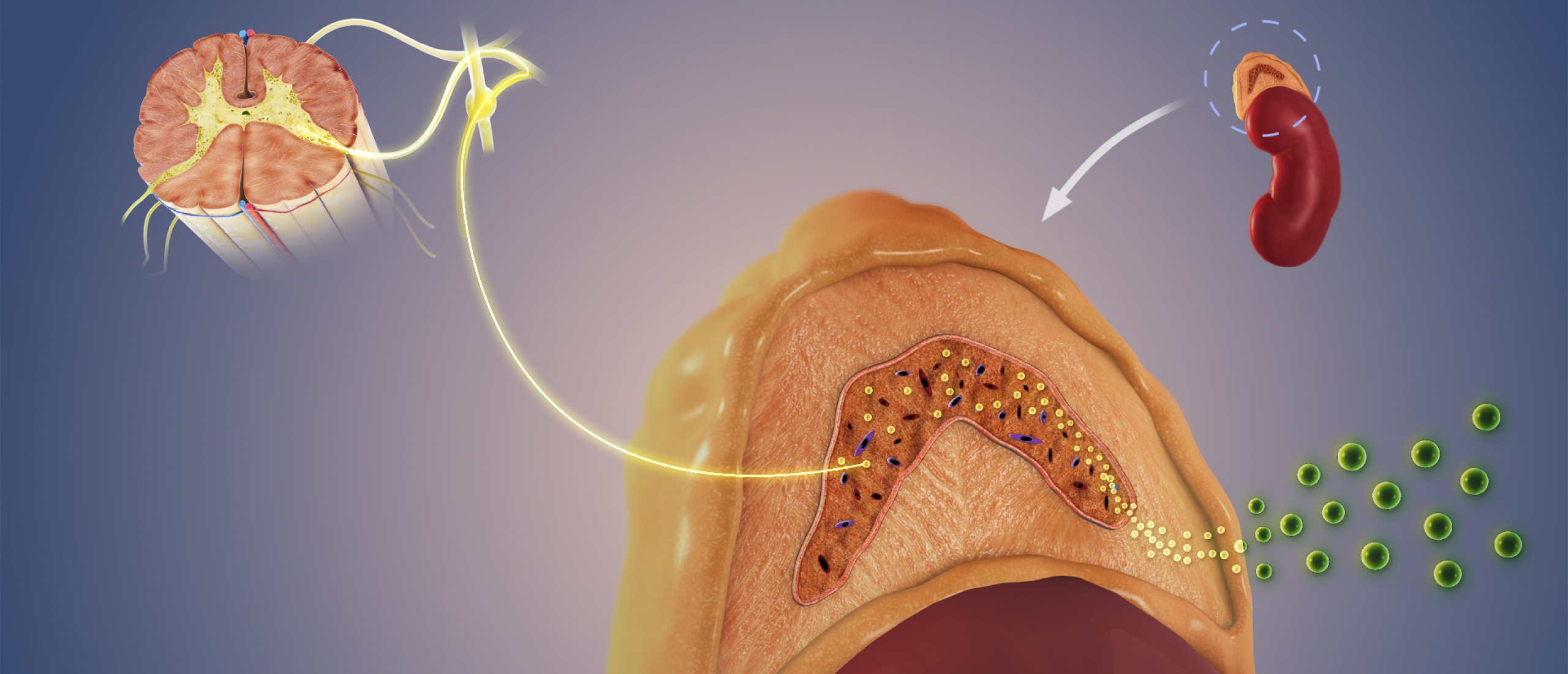
When the brain detects a challenge or threat, the sympathetic nervous system stimulates the adrenal glands to release adrenaline into the bloodstream.
Within seconds, adrenaline helps produce a range of physiological changes:
- increased heart rate
- faster breathing
- elevated blood pressure
- greater blood flow to muscles
- increased alertness
- rapid energy mobilization
These changes help prepare the body to respond effectively to demanding situations.
In the short term, this response is highly adaptive. Without it, responding quickly to challenges would be much more difficult.
However, adrenaline is designed for temporary activation. Remaining in this state indefinitely would place a considerable burden on the body.
Why Recovery Requires More Than Time
Many people assume that stress simply disappears once the stressful situation ends.
The reality is more complex.
The nervous system must actively transition from a state of activation toward a state that supports recovery.
Heart rate needs to slow down.
Blood pressure needs to normalize.
Breathing needs to return to a calmer rhythm.
Attention must broaden again.
The body needs mechanisms that help coordinate this shift.
One of the most important of these mechanisms involves the parasympathetic nervous system.
The Vagus Nerve: The Body's Natural Brake
The parasympathetic nervous system is often described as the counterpart to the sympathetic nervous system.
Where the sympathetic system prepares the body for action, the parasympathetic system supports recovery, digestion, restoration, and energy conservation.
The vagus nerve is one of the most important components of this system.
It connects the brain to many organs throughout the body, including the heart, lungs, digestive system, and adrenal glands.
Researchers have proposed that the vagus nerve may help monitor physiological changes associated with stress activation and contribute to the feedback processes that promote recovery after stress.
Regardless of the precise mechanisms involved, the vagus nerve plays a central role in helping the body shift from a state of activation toward a state of recovery.
Why Breathing Influences the Nervous System
Breathing is one of the few physiological processes that can be influenced both automatically and voluntarily.
This makes it a useful bridge between conscious behavior and autonomic nervous system regulation.
During stress, breathing often becomes faster and shallower as sympathetic activation increases.
Slowing the breath appears to increase vagal activity and parasympathetic influence on the body.
As a result:
- heart rate may decrease
- blood pressure may decline
- muscle tension may reduce
- feelings of physiological activation often become less intense
This helps explain why controlled breathing is commonly used in mindfulness, meditation, yoga, and other stress-reduction approaches.
A Simple Breathing Exercise
If you notice that your body remains activated after a stressful event, the following exercise may help support recovery.
Slow Breathing Technique
1. Inhale gently through your nose for 4 seconds.
2. Hold your breath for 2 seconds.
3. Exhale slowly through your mouth for 6 seconds.
4. Pause for 2 seconds.
5. Repeat for 2 to 5 minutes.
The exact timing is less important than maintaining a slow, comfortable rhythm.
The goal is not to force relaxation but to create conditions that encourage the nervous system to shift toward recovery.
What Breathing Can and Cannot Do
Breathing exercises can be remarkably effective for reducing short-term physiological activation.
They can help calm the body after a stressful conversation, before an important presentation, or during periods of temporary anxiety or tension.
However, breathing exercises do not remove the underlying sources of pressure.
If workload remains excessive, responsibilities remain unclear, conflict continues, or recovery opportunities are limited, deeper changes may be necessary.
This distinction is important.
Techniques such as breathing can help regulate the body's response to pressure. Long-term wellbeing often depends on addressing the sources of pressure themselves.
Recovery Supports Long-Term Functioning
The body is remarkably capable of handling periods of intense demand.
What matters just as much is the ability to return to balance afterward.
Recovery is an active biological process that allows the body to restore balance and prepare for future demands. When recovery repeatedly falls behind, the biological burden of adaptation can gradually accumulate.
The sympathetic nervous system and adrenaline help us adapt to challenges. The parasympathetic nervous system and vagus nerve help us recover from them.
Understanding this balance helps explain why recovery is not a luxury. It is an essential part of maintaining concentration, emotional regulation, decision making, and long-term health.
Continue Exploring Stress and Recovery
If you would like to better understand how pressure affects recovery, concentration, and overall functioning over time, download our free guide "Signs You're Under Too Much Pressure".
Recognizing the early signs of incomplete recovery often makes it easier to take action before stress becomes chronic.
FAQs
What does adrenaline do during stress?
Adrenaline rapidly prepares the body for action by increasing heart rate, blood pressure, breathing rate, alertness, and energy availability.
What is the vagus nerve?
The vagus nerve is a major component of the parasympathetic nervous system. It helps regulate many bodily functions and plays an important role in recovery after stress.
Why does deep breathing help reduce stress?
Slow breathing appears to increase vagal activity and parasympathetic influence, helping the body shift from activation toward recovery.
Can breathing exercises reduce cortisol?
Breathing exercises may indirectly influence cortisol levels by reducing physiological activation, but their primary effect is on autonomic nervous system regulation.
Are breathing exercises enough to manage chronic stress?
Breathing exercises can be helpful, but they do not address the underlying causes of sustained pressure. Chronic stress often requires a broader approach that includes recovery, boundaries, workload management, and changes to the sources of pressure.
How long should I practice slow breathing?
Even a few minutes can help reduce physiological activation. Many people find that practicing for two to five minutes is sufficient to notice an effect.