
Can Stress Cause Heart Problems? Understanding How Pressure Affects the Cardiovascular System
Many people think of stress as something that affects the mind.
Yet stress also affects the body. Every time pressure arises, the cardiovascular system participates in the body's response. Heart rate changes, blood pressure rises, and energy is mobilized to help meet the demands of the situation.
These reactions are normal and often helpful in the short term.
Problems are more likely to emerge when pressure remains present for long periods and recovery repeatedly falls behind. Under these conditions, the cardiovascular system may spend more time adapting and less time returning to baseline.
Understanding this process helps explain why chronic stress has been linked to high blood pressure, heart disease, stroke, and other cardiovascular problems.
Key Takeaways
- The cardiovascular system plays a central role in the body's response to pressure.
- Acute stress produces temporary increases in heart rate and blood pressure that are usually reversible.
- Chronic pressure can contribute to long-term changes in cardiovascular functioning.
- Inflammation, stress hormones, and lifestyle changes all appear to contribute to cardiovascular risk.
- Recovery helps the body return toward balance after demands have been encountered.
- The cardiovascular system provides a useful example of how the Pressure Pathway can influence long-term health.
The Cardiovascular Stress Response
Whenever pressure arises, the body prepares for action.
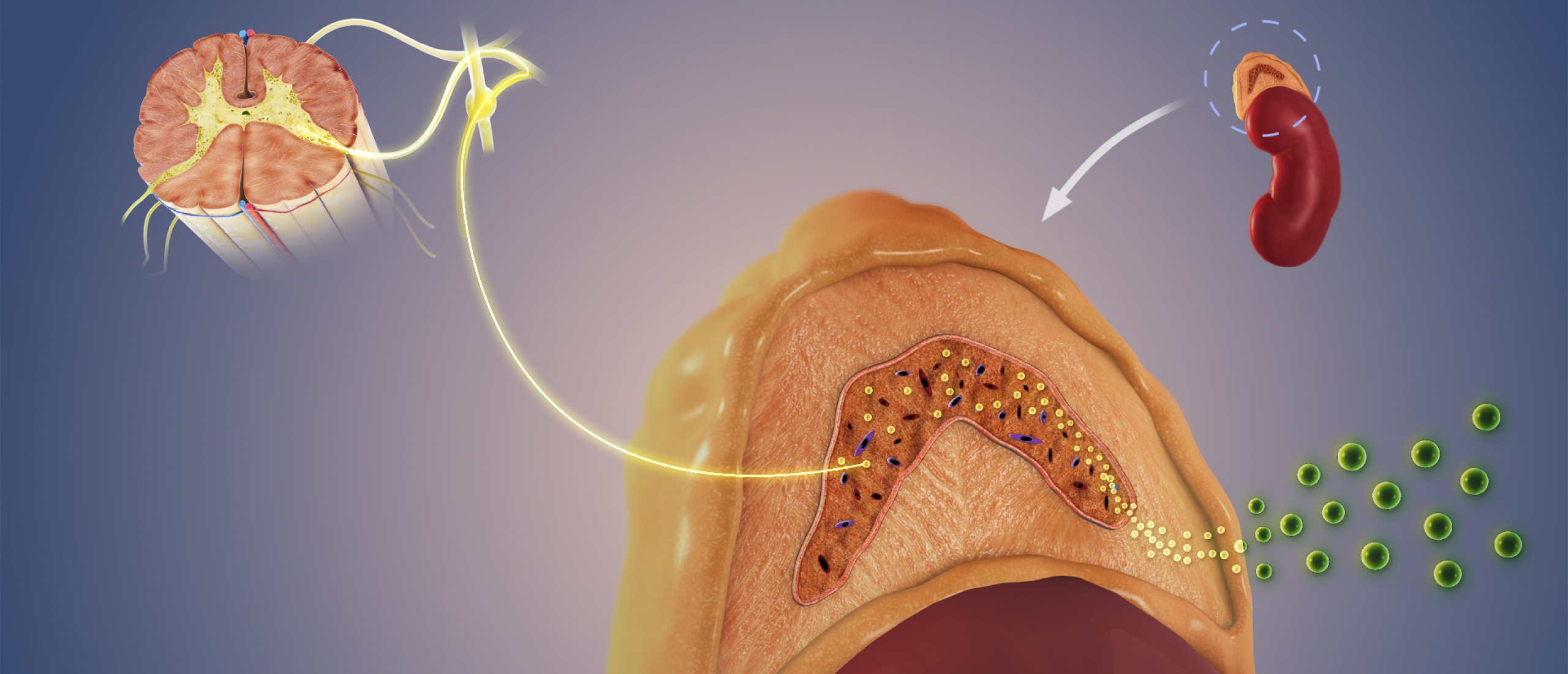
The sympathetic nervous system becomes more active and stress hormones such as adrenaline, noradrenaline, and cortisol are released.
Several changes occur rapidly:
- heart rate increases
- blood pressure rises
- blood flow is redirected toward muscles
- energy becomes more readily available
These responses help prepare the body to deal with challenges.
In situations of acute stress, such as avoiding a car accident or responding to an emergency, these changes are generally short-lived. Once the situation has passed, the body gradually returns toward its previous state.
This process is part of normal adaptation.
When Pressure Becomes Long-Term
The picture changes when pressure remains present over longer periods.
Work demands, financial concerns, caregiving responsibilities, ongoing conflict, uncertainty, or other persistent pressures may repeatedly activate the stress response.
In these circumstances, the cardiovascular system is required to adapt more frequently.
Heart rate and blood pressure may spend more time above their usual levels. Recovery opportunities may become less effective. Physiological systems that are designed for short-term activation may remain engaged more often than intended.
Over time, these repeated adaptations contribute to allostatic load, the cumulative burden associated with responding to ongoing demands.
The cardiovascular system is one of the many systems affected by this process.
How Chronic Pressure Affects the Heart and Blood Vessels
Research has linked chronic stress with several cardiovascular changes.
These include:
- elevated blood pressure
- increased risk of hypertension
- greater likelihood of atherosclerosis (hardening and narrowing of the arteries)
- increased risk of heart attack and stroke
- changes in heart rhythm regulation
- impaired functioning of blood vessels
The exact mechanisms are complex and continue to be studied.
Current evidence suggests that several pathways contribute simultaneously rather than a single biological process acting alone.
The Role of Inflammation
One of the most interesting discoveries in recent years involves the relationship between stress and inflammation.
Researchers have found that chronic stress can influence activity in the amygdala, a brain region involved in processing threat and emotion.
Increased activity within these brain circuits appears to stimulate immune activity, including processes that begin in the bone marrow where immune cells are produced.
These immune cells can contribute to inflammation within blood vessels.
Over time, chronic inflammation may promote the development of atherosclerotic plaques, increasing cardiovascular risk.
This research highlights an important point: the effects of pressure are not limited to stress hormones alone. The immune system, nervous system, and cardiovascular system interact continuously as the body adapts to demands.
Changes in Functioning Often Appear First
Cardiovascular disease usually develops over many years.
Long before a heart attack, stroke, or diagnosis of hypertension occurs, people may notice more subtle changes.
Examples include:
- feeling physically drained after demanding days
- slower recovery following stress
- reduced exercise tolerance
- disturbed sleep
- persistent fatigue
- a higher resting heart rate
These changes do not necessarily indicate heart disease. They may, however, reflect the body's ongoing efforts to adapt to repeated demands.
These early changes could be important because they often emerge before more serious health consequences become visible.
They can provide useful clues about whether pressure, recovery, and adaptation remain in balance.
Lifestyle and Cardiovascular Risk
The relationship between stress and cardiovascular health is influenced by lifestyle habits as well.
When people experience sustained pressure, they may sleep less, exercise less, eat differently, smoke more, or drink more alcohol.
Over time, these changes can influence cardiovascular health directly.
Physical activity helps maintain cardiovascular fitness, supports healthy blood pressure regulation, and contributes to recovery.
Sleep supports many processes involved in cardiovascular health, including blood pressure regulation, inflammation control, and metabolic functioning.
Smoking, excessive alcohol consumption, and prolonged physical inactivity place additional demands on the cardiovascular system and may increase allostatic load.
This helps explain why lifestyle habits often become part of the pathway through which chronic pressure influences long-term health.
The Cardiovascular System and the Pressure Pathway
At Stressinsight, we view stress as a process that develops over time. Pressure triggers a stress response. The body adapts to meet the demands of the situation. Recovery helps restore balance afterward. When pressure remains present and recovery repeatedly falls behind, allostatic load, the cumulative burden associated with repeated adaptation, gradually accumulates and functioning may begin to change.
At Stressinsight, we refer to this sequence as the Pressure Pathway.
The cardiovascular system provides a useful example of how this process can unfold over time.
Pressure activates the stress response.
The body adapts through changes in hormone activity, cardiovascular functioning, and immune processes.
Recovery helps these systems return toward balance.
When recovery repeatedly falls behind, allostatic load gradually accumulates.
Over time, changes in functioning may become more noticeable. Energy levels, recovery capacity, sleep quality, and physical wellbeing can all be affected.
If this process continues for many years, the risk of cardiovascular disease may increase.
This progression helps explain why chronic pressure is increasingly viewed as a long-term health issue rather than simply a psychological experience.
Protecting Cardiovascular Health During Demanding Periods
Protecting cardiovascular health is not simply about lowering stress hormones.
It involves supporting the body's ability to adapt and recover effectively.
Several factors consistently appear in research on cardiovascular health and stress:
- regular physical activity
- sufficient sleep
- opportunities for recovery
- supportive social relationships
- a sense of control over important aspects of life
- reducing unnecessary sources of chronic pressure where possible
Each of these factors can influence how effectively the body responds to demands and returns toward balance afterward.
Small improvements may seem insignificant in isolation. Their effects often accumulate over time, particularly when sustained pressure is present.
Looking Beyond Symptoms
Heart disease does not usually appear suddenly after a stressful week or difficult month.
The relationship between pressure and cardiovascular health tends to develop gradually through repeated adaptation and incomplete recovery.
Changes in recovery, energy, physical wellbeing, exercise tolerance, sleep quality, and day-to-day functioning often appear much earlier than cardiovascular disease itself. These changes can provide valuable clues about how the body is responding to sustained pressure.
Understanding these early patterns creates opportunities to support health long before more serious cardiovascular problems become visible.
Feeling the Effects of Ongoing Pressure?
Many people notice changes in energy, recovery, concentration, sleep, or physical wellbeing before they recognize how much pressure has accumulated.
The free guide Signs You're Under Too Much Pressure explains how sustained pressure can affect functioning and recovery long before exhaustion or health problems become obvious.
Recognizing these patterns early often creates more opportunities to respond before pressure becomes harder to manage.
Frequently Asked Questions
Can stress really cause heart problems?
Research suggests that chronic stress can contribute to cardiovascular risk through several pathways, including elevated blood pressure, inflammation, lifestyle changes, and repeated activation of the stress response.
Is acute stress harmful to the heart?
For most healthy individuals, short periods of acute stress produce temporary cardiovascular changes that resolve once the situation has passed. Certain medical conditions may increase vulnerability, which is why persistent symptoms should always be discussed with a healthcare professional.
How does chronic stress affect blood pressure?
Repeated activation of the stress response may contribute to sustained increases in blood pressure over time, particularly when recovery is insufficient.
What role does inflammation play?
Chronic stress appears to influence immune activity and inflammation. Researchers believe these processes contribute to the development of atherosclerosis and other cardiovascular conditions.
Can lifestyle habits reduce cardiovascular risk?
Regular physical activity, adequate sleep, healthy nutrition, avoiding smoking, and supporting recovery are all associated with better cardiovascular health.
What are early signs that pressure may be affecting health?
Persistent fatigue, poorer recovery, sleep difficulties, reduced energy, difficulty concentrating, and feeling physically depleted after demands can all indicate that pressure is beginning to affect functioning.