
Stress is a biological response that prepares the brain and body to deal with challenge, uncertainty, or potential danger. It activates the nervous system and hormonal systems, increasing alertness, energy availability, and focus.
In the short term, this response is highly useful. Stress helps people react quickly, concentrate, and adapt to difficult situations. Problems usually begin when pressure remains present for too long and recovery becomes incomplete.
Modern stress is often less about physical danger and more about sustained psychological pressure:
- workload,
- uncertainty,
- conflict,
- financial strain,
- constant availability,
- or emotional demands.
Over time, this prolonged activation can begin affecting concentration, recovery, emotional regulation, sleep, physical health, and decision making.
Key Takeaways
- Stress is a natural biological adaptation response.
- Short term stress can improve focus, energy, and performance.
- Chronic stress develops when pressure continues without sufficient recovery.
- Workload, uncertainty, conflict, and lack of control are common modern stressors.
- Sustained stress affects both physical and psychological functioning.
- Early recognition is important because stress often develops gradually over time.
What Is Stress? A Simple Definition
Stress is the body’s natural response to demands, uncertainty, or challenge.
When something important requires attention or action, the brain activates systems that prepare the organism to respond. This is often referred to as the “fight or flight” response.
Stress itself is not a disease. It is a physiological state designed to improve survival and adaptation.
During stress:
- heart rate increases,
- attention narrows, focusing on the problem at hand,
- muscles become more tense,
- and hormones such as adrenaline and cortisol help mobilize energy.
These reactions originally evolved to help humans survive physical danger. Today, however, psychological and social situations can activate the same systems:
- deadlines,
- emails,
- financial worries,
- uncertainty,
- conflict,
- or work pressure.
The brain and body often react similarly whether the threat is physical or psychological.
How Stress Affects the Brain and Body
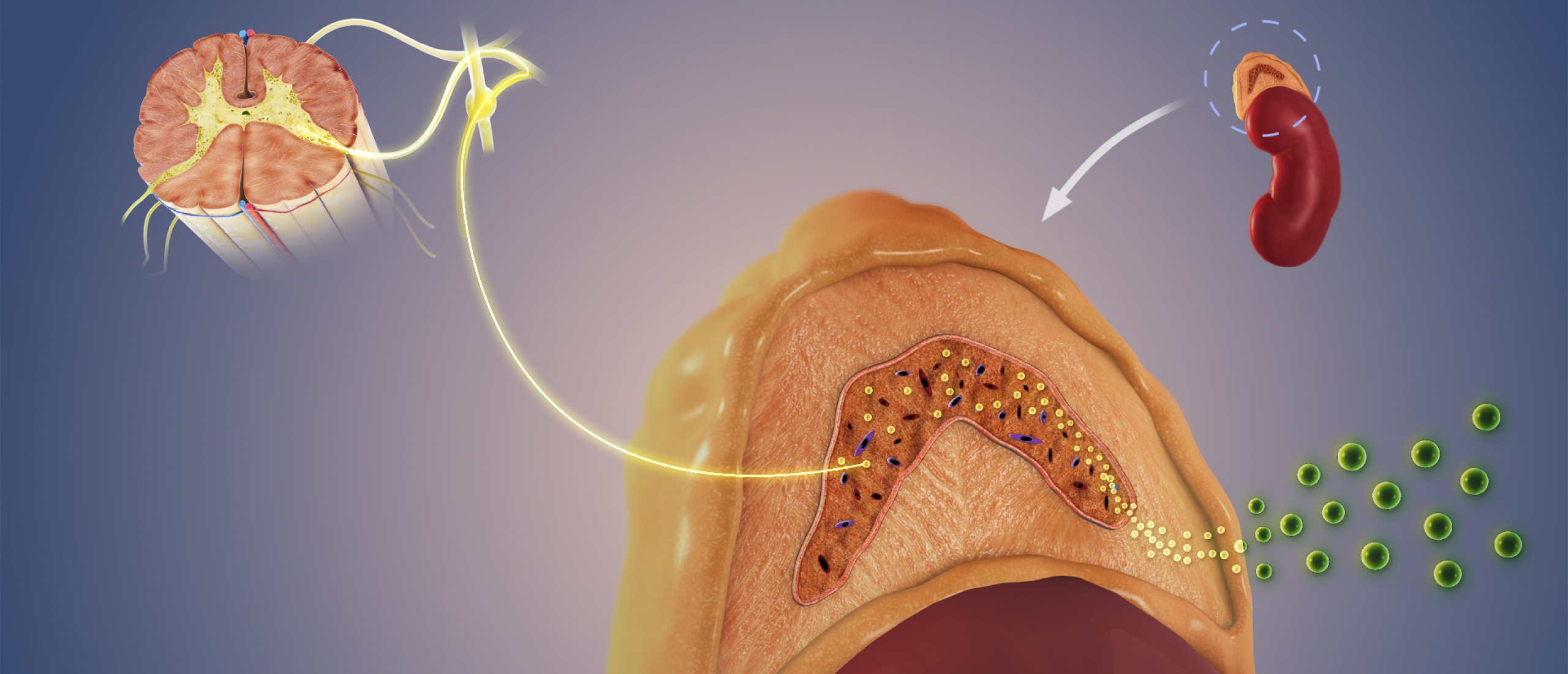
Stress activates both the nervous system and hormonal systems.
The sympathetic nervous system increases alertness and prepares the body for rapid action. The HPA axis releases cortisol, a hormone involved in energy regulation, metabolism, focus, and adaptation during stress.
In the short term, cortisol helps people function under pressure.
When stress becomes chronic, however, prolonged activation may contribute to:
- fatigue,
- anxiety,
- sleep disruption,
- concentration problems,
- immune dysfunction,
- digestive issues,
- and increased cardiovascular risk.
This is one reason why sustained pressure gradually affects both mental and physical functioning over time.
Common Causes of Stress at Work and in Life
Stressors differ from person to person, but certain situations commonly create sustained pressure.
General Life Stressors
- financial problems,
- health concerns,
- relationship conflict,
- caregiving responsibilities,
- academic pressure,
- and uncertainty about the future.
Workplace Stressors
- excessive workload,
- unrealistic deadlines,
- lack of control,
- poor communication,
- unclear expectations,
- micromanagement,
- toxic leadership,
- conflict,
- harassment,
- and job insecurity.
Stress often becomes more difficult when several stressors accumulate simultaneously while recovery becomes less effective.
Is Stress Always Harmful?
No. Short term stress can actually be helpful.
Acute stress often improves:
- focus,
- energy,
- alertness,
- and motivation.
This temporary activation can help people perform under pressure, solve problems, or respond quickly during important situations.
The difficulty begins when activation remains too frequent or too prolonged.
The body and brain are designed to recover after stress. When recovery does not occur sufficiently, stress gradually shifts from adaptation toward overload.
Symptoms of Chronic Stress
Many people recognize chronic stress only once exhaustion has already become severe. Earlier signs are often more subtle.
Physical symptoms
- headaches,
- muscle tension,
- sleep problems,
- fatigue,
- digestive issues,
- high blood pressure,
- and reduced libido.
Emotional and cognitive symptoms
- irritability,
- anxiety,
- difficulty concentrating,
- emotional reactivity,
- low mood,
- feeling overwhelmed,
- reduced motivation,
- and mental fatigue.
These symptoms reflect prolonged activation of stress systems over time.
What Is Stress Overload?
Stress overload develops when multiple stressors accumulate while recovery remains incomplete.
Over time, the nervous system may remain activated so frequently that concentration, emotional regulation, and physical recovery begin deteriorating more persistently.
Possible consequences include:
- burnout,
- emotional exhaustion,
- social withdrawal,
- chronic worry,
- poor sleep,
- substance misuse,
- disordered eating,
- and reduced immune functioning.
Stress overload can sometimes resemble anxiety, although chronic stress is often more strongly linked to sustained external pressure and ongoing demands.
How to Start Reducing Stress
The earlier stress is recognized, the easier it often becomes to address.
Useful first steps may include:
- identifying recurring stressors,
- improving recovery,
- restoring boundaries,
- discussing workload or expectations,
- increasing movement and sleep quality,
- seeking social support,
- using relaxing techniques such as mindfulness,
- using some form of psychotherapy.
Short term techniques can help reduce activation temporarily. Long term improvement often requires understanding what continues to create pressure in the first place.
Understanding Pressure Before Exhaustion Develops
Many people only recognize stress once exhaustion has already become severe. In reality, sustained pressure often affects concentration, recovery, emotional regulation, and decision making much earlier.
Stressinsight explores how stress and pressure gradually influence mental and physical functioning over time.
If you want to better recognize the early signs of overload, explore the free guide Signs You Are Under Too Much Pressure.
Frequently Asked Questions About Stress
What is stress?
Stress is a biological adaptation response that prepares the brain and body to respond to challenge, uncertainty, or potential danger.
What causes stress?
Stress can be triggered by workload, uncertainty, conflict, financial pressure, health concerns, relationship difficulties, lack of control, and many other psychological or physical demands.
Is stress always harmful?
No. Short term stress can improve focus, energy, alertness, and performance. Problems usually develop when stress becomes chronic and recovery becomes insufficient.
What are the symptoms of chronic stress?
Symptoms may include fatigue, headaches, sleep problems, irritability, anxiety, concentration difficulties, digestive issues, emotional overload, and reduced motivation.
How does stress affect the body?
Stress activates the nervous system and hormonal systems, increasing heart rate, muscle tension, alertness, and energy mobilization. Chronic stress can gradually affect cardiovascular health, immunity, sleep, digestion, and mental functioning.
What is stress overload?
Stress overload occurs when pressure accumulates over time without sufficient recovery, eventually leading to exhaustion, reduced functioning, and difficulty coping effectively.