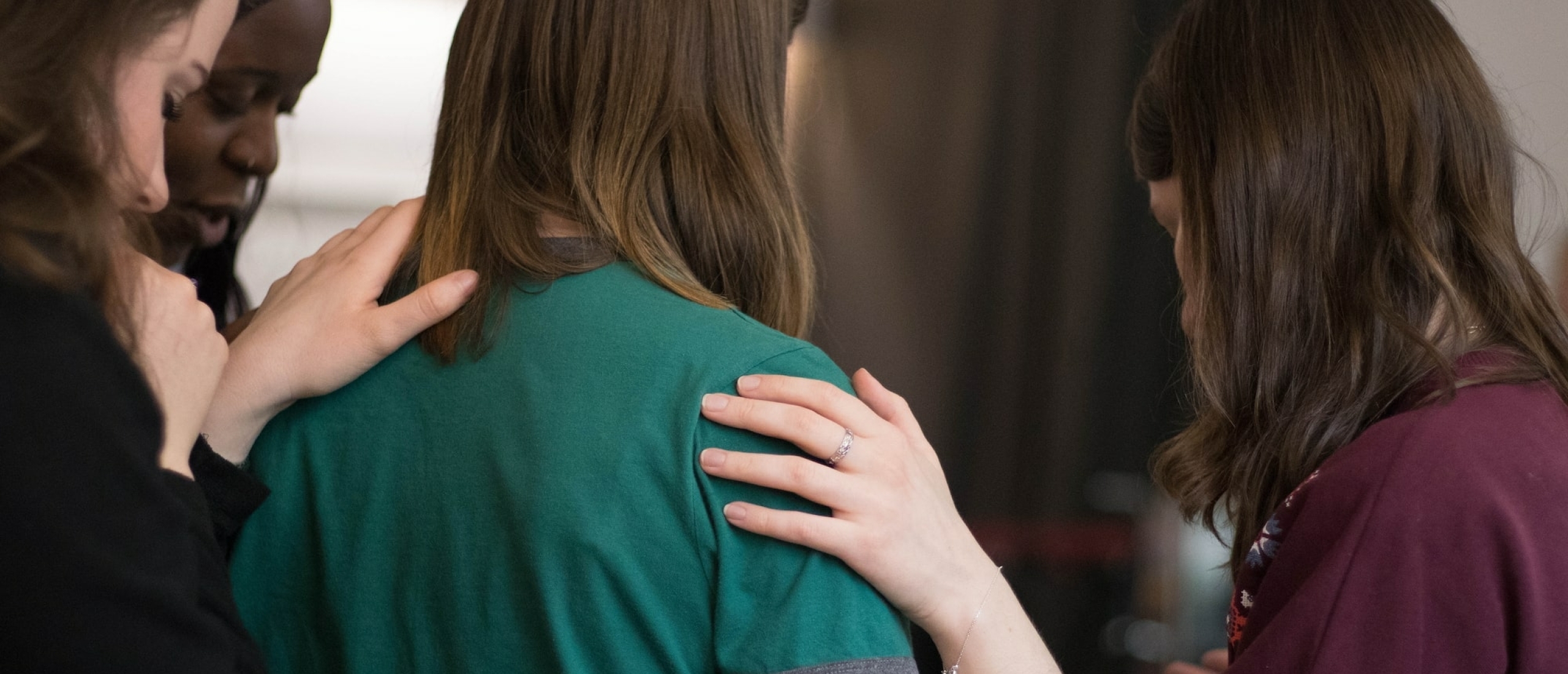

Stress does not affect everyone in the same way. Some people remain relatively calm during uncertainty or pressure, while others become overwhelmed much more quickly in similar situations.
Part of this difference lies in personality.
Personality influences how people interpret situations, respond emotionally, cope with uncertainty, and recover after stressful experiences. The same environment can therefore feel manageable to one person and exhausting to another.
This does not mean that stress is “all in the mind.” Workload, conflict, uncertainty, health problems, and difficult life events remain very real sources of pressure. At the same time, personality shapes how strongly these situations are experienced and how people respond to them over time.
Key Takeaways
- Personality strongly influences how people perceive and respond to stress.
- The same stressful situation may affect different people in very different ways.
- Traits such as hardiness and optimism are associated with greater stress resilience.
- Hostility and emotional reactivity are linked to stronger stress responses and poorer health outcomes.
- Personality affects coping style, emotional regulation, and recovery under pressure.
- Understanding personality patterns can help explain why certain situations repeatedly feel overwhelming.
Why Stress Feels Different for Different People
Stress responses are designed to help the brain and body adapt to challenge, uncertainty, and change. Yet the situations that trigger stress, and the intensity of the reaction itself, vary enormously between individuals.
A demanding manager, a conflict at work, or a heavy workload may strongly affect one person while another remains relatively stable under the same conditions.
Part of this difference comes from personality.
Some people naturally seek support, take action quickly, or maintain perspective during difficult situations. Others become more self critical, avoid confrontation, or feel stuck under pressure. Over time, these tendencies influence how stress accumulates and how recovery unfolds afterward.
What Is Personality?
Personality refers to relatively stable patterns of thinking, feeling, behaving, and interpreting the world.
It influences:
- emotional reactions,
- decision making,
- social behavior,
- coping style,
- and responses to uncertainty or pressure.
Psychologists often describe personality through traits such as neuroticism, optimism, conscientiousness, hostility, openness, or emotional stability. These traits do not determine behavior completely, but they do influence how people typically respond under stress.
Even the ancient physician Hippocrates believed that understanding the individual mattered as much as understanding the illness itself. Modern psychology continues exploring this idea today.
Why Some People Cope Better Than Others
Stress often becomes more difficult when people feel they no longer have sufficient resources to deal with a situation.
Two people may face the same challenge while responding very differently.
For example, during a period of high workload:
- one person may ask colleagues for support,
- reorganize priorities,
- or discuss the situation openly with a manager.
Another person may continue struggling alone, withdraw socially, or become mentally stuck despite having access to similar resources.
Personality partly influences whether people:
- seek support,
- take action,
- avoid conflict,
- become self critical,
- or remain psychologically flexible under pressure.
Over time, these patterns strongly affect stress resilience.
Hardiness and Stress Resilience
One personality characteristic strongly associated with resilience is hardiness.
Hardiness describes a tendency to remain engaged and proactive during difficult situations rather than becoming passive or overwhelmed.
Researchers often describe hardiness through three components:
- commitment,
- control,
- and challenge.
People high in hardiness are more likely to:
- stay involved during stressful periods,
- believe their actions can still influence outcomes,
- and view change as something manageable rather than purely threatening.
Studies in high pressure professions suggest that hardiness is associated with better psychological and physical outcomes under stress.
Optimism and Emotional Stability
Optimism also influences how stress is experienced.
People with a more optimistic outlook tend to expect that situations can improve over time. This expectation often reduces hopelessness and emotional overload during difficult periods.
Optimism does not eliminate stress. It does, however, influence how situations are interpreted psychologically.
People who maintain a sense of possibility or perspective during adversity often recover more effectively afterward.
Hostility and Stress Reactivity
Some personality traits are associated with stronger stress responses and greater physiological activation.
Hostility is one example.
People high in hostility tend to:
- experience more anger and irritability,
- interpret situations more negatively,
- react more aggressively,
- and remain physiologically activated for longer periods.
Research has linked hostility to:
- elevated blood pressure,
- sleep problems,
- stronger sympathetic nervous system activation,
- and increased cardiovascular risk.
This illustrates how emotional style and stress biology are closely connected.
Personality and Coping Styles
Stress responses also differ biologically.
In both animals and humans, some individuals react actively during stress while others become more passive or inhibited.
Active coping styles are often associated with:
- rapid action,
- heightened adrenaline responses,
- strong focus on problem solving.
Passive coping styles are more associated with:
- caution,
- withdrawal,
- heightened cortisol responses,
- and behavioral inhibition.
Neither style is automatically good or bad. Different situations sometimes require different responses. Psychological flexibility often matters more than rigid coping patterns themselves.
Personality Is Not Destiny
Personality influences stress sensitivity, but it does not completely determine how someone will function under pressure.
Life experiences, relationships, social support, health, work conditions, and recovery all interact with personality over time.
This complexity is one reason why personality tests should be interpreted cautiously. Human behavior cannot easily be reduced to simple categories or labels.
People also change over time. Coping patterns can become more flexible, emotional awareness can improve, and stressful situations can gradually be approached differently through experience and reflection.
Stress Develops Through Multiple Factors
Stress rarely emerges from one single cause alone.
Biology, personality, environment, social context, workload, uncertainty, recovery, and previous experiences continuously interact with one another.
Personality therefore forms part of the larger picture rather than serving as the sole explanation for stress sensitivity.
At the same time, understanding personality patterns can still be extremely valuable. Many people begin recognizing recurring stress patterns only after noticing:
- how they typically respond to uncertainty,
- what situations trigger emotional overload,
- or why certain forms of pressure repeatedly become exhausting.
This awareness often creates a clearer starting point for understanding how stress develops over time.
Understanding Stress Patterns More Clearly
Some people become overwhelmed more easily because their personality leads them to:
- worry more intensely,
- remain mentally activated longer,
- interpret uncertainty more strongly,
- or recover less effectively after pressure.
Others naturally maintain greater emotional distance, flexibility, or confidence during difficult situations.
Recognizing these differences does not mean blaming personality for stress. Instead, it helps explain why similar environments can affect people very differently.
Stressinsight explores how personality, pressure, recovery, and mental functioning interact over time through articles on stress, resilience, emotional regulation, and workplace pressure.
Frequently Asked Questions
Can personality affect stress sensitivity?
Yes. Personality strongly influences how people interpret situations, regulate emotions, cope with uncertainty, and recover after stressful experiences.
Why do some people become overwhelmed more easily?
Some people are naturally more emotionally reactive, self critical, or sensitive to uncertainty. These tendencies can increase stress activation and make recovery more difficult under sustained pressure.
What personality traits protect against stress?
Traits associated with resilience include optimism, emotional stability, hardiness, psychological flexibility, and adaptive coping styles.
What is hardiness?
Hardiness is a personality characteristic associated with resilience under stress. It includes commitment, a sense of control, and the tendency to view challenges as manageable rather than overwhelming.
Can personality change over time?
Personality traits are relatively stable, but coping styles, emotional regulation, self awareness, and stress responses can still evolve considerably through experience, reflection, and changing environments.
Is personality the only reason people experience stress differently?
No. Stress is shaped by many interacting factors, including biology, work conditions, relationships, social support, recovery, health, and life experiences in addition to personality.