
Stress is often associated with deadlines, difficult relationships, financial concerns, or major life events.
Yet the way people respond to pressure is influenced by more than the pressures themselves.
Personality, previous experiences, social support, working conditions, physical health, and daily habits all play a role. Among these factors, lifestyle habits have an important influence on the body's ability to adapt to demands, maintain functioning, and recover afterward.
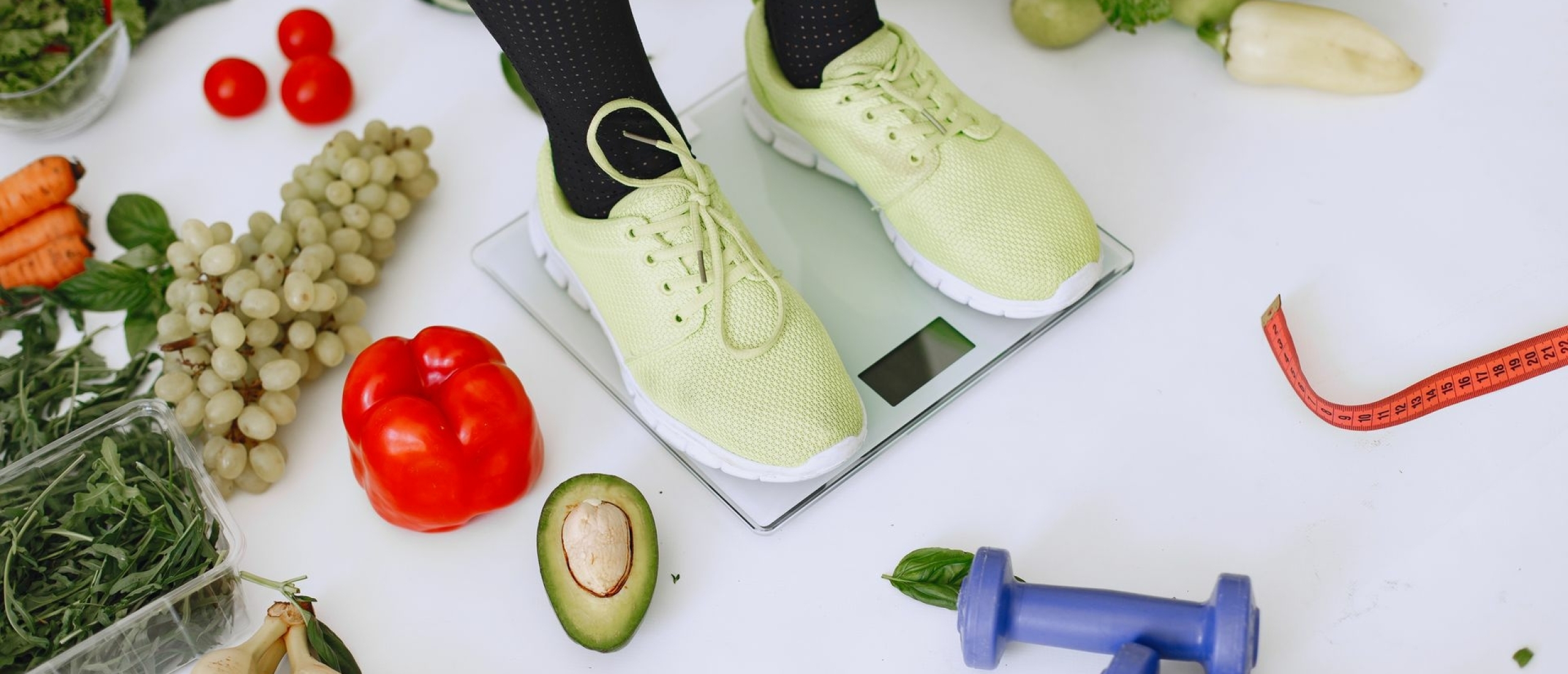
Sleep, physical activity, nutrition, smoking, alcohol use, and other daily behaviours affect energy levels, concentration, emotional regulation, physical health, and wellbeing. Over time, they also influence the resources available when new challenges arise.
Understanding this relationship helps explain why some people continue functioning reasonably well during demanding periods, while others experience fatigue, reduced performance, or stress-related health problems much earlier.
Key Takeaways
- Lifestyle habits influence the body's ability to adapt to pressure and recover afterward.
- Sleep, physical activity, nutrition, smoking, and alcohol use affect physical and psychological functioning.
- Repeated demands create allostatic load, the cumulative burden associated with ongoing adaptation.
- Healthy lifestyle habits help preserve physiological and psychological resources.
- Stress can influence lifestyle habits just as lifestyle habits can influence stress.
- Lifestyle is one factor among many that affects vulnerability to prolonged pressure.
Why Lifestyle Influences Stress
People often experience similar demands in very different ways.
Part of this variation is related to personality, previous experiences, social support, perceived control, and the meaning attached to a situation.
Physical health and lifestyle habits also contribute.
The body is constantly working to maintain conditions that support healthy functioning. Heart rate, blood pressure, hormone levels, immune activity, and countless other processes are regulated within ranges that allow normal daily functioning.
This balanced state is known as homeostasis.
When pressure arises, the body adapts.
Stress hormones are released, attention shifts toward the challenge, energy becomes available, and physiological systems adjust to meet the demands of the situation.
This adaptive process is known as allostasis.
Allostasis is a normal and necessary part of life. Without it, people would be unable to respond effectively to changing circumstances.
Allostatic Load and Physiological Reserve
The challenge emerges when adaptation is required repeatedly.
Poor sleep, smoking, illness, financial concerns, relationship difficulties, heavy workloads, and many other pressures require the body to make adjustments.
Each adaptation is usually manageable on its own.
Over time, however, repeated adaptation creates wear and tear throughout the body. This cumulative burden is known as allostatic load.
One way to understand allostatic load is to think about physiological reserve.
Reserve refers to the resources available to adapt to additional demands while maintaining healthy functioning.
People are rarely functioning at a perfect physiological optimum. Life continuously requires adjustments. The body adapts and establishes a workable balance that allows daily activities to continue.
As allostatic load increases, maintaining that balance may require more effort. Recovery may take longer. Sleep may become less restorative. Concentration, emotional regulation, and energy levels may become more vulnerable to disruption.
This can gradually reduce the margin available for dealing with new challenges.
When additional pressures arise, there may simply be fewer resources available to absorb them comfortably.
An Example: Smoking and Stress
Smoking is often perceived as a way to cope with stress.
Physiologically, the picture is more complex.
Nicotine increases heart rate and blood pressure and influences several systems involved in stress regulation. These changes require additional work from the cardiovascular system and affect how the body responds to future demands.
Research suggests that smokers often show stronger physiological stress responses than non-smokers. Cortisol levels may rise more sharply, and recovery can be less efficient.
The temporary relief some smokers experience is largely related to the reduction of nicotine withdrawal symptoms rather than a reduction in physiological stress.
As a result, smoking may increase the overall burden placed on the body while simultaneously creating the impression that it is helping.
Lifestyle, Functioning, and Everyday Performance
The effects of lifestyle habits often become visible long before illness develops.
People may notice changes in:
- concentration
- energy levels
- emotional stability
- motivation
- sleep quality
- decision making
- recovery after demanding days
For example, poor sleep can affect attention and emotional regulation the following day. Physical inactivity may reduce energy levels and make demanding periods harder to manage. Excessive alcohol use can interfere with sleep and recovery.
When several lifestyle factors combine, their cumulative effects on functioning can become increasingly noticeable.
When Pressure Influences Lifestyle
The relationship between lifestyle and stress works in both directions.
Lifestyle habits influence how effectively people adapt to pressure. At the same time, pressure can influence lifestyle habits.
Research has shown that stressful working conditions are associated with a range of health-related behaviours, including smoking, physical inactivity, poor dietary habits, and disrupted sleep.
One study involving healthcare workers found that employees exposed to high job demands, low control, and limited support were more likely to smoke, exercise less, and struggle with weight management.
Other research has shown that heavy workloads and time pressure can affect eating habits. Some people skip meals, eat quickly, or rely more heavily on convenience foods when demands become difficult to manage.
Lifestyle habits develop within the context of everyday life. Work schedules, workload, financial circumstances, family responsibilities, and the physical environment all influence how people eat, sleep, exercise, and recover.
The Cycle Between Stress and Lifestyle Habits
Because lifestyle and stress influence one another, a self-reinforcing cycle can sometimes develop.
Ongoing pressure affects sleep.
Poor sleep affects concentration and emotional regulation.
Reduced energy makes physical activity less likely.
Lower activity levels can affect mood, physical health, and recovery.
As recovery becomes less effective, adapting to new demands may require more effort.
This process often develops gradually. Small changes accumulate over time and may eventually influence daily functioning in noticeable ways.
Understanding this cycle is useful because it highlights several points where change becomes possible.
Lifestyle, Recovery, and Resilience
Recovery and resilience are closely related but distinct concepts.
Recovery refers to the process through which the body and mind return toward balance after demands have been encountered.
Resilience reflects how effectively people adapt to challenges, regain balance, and continue functioning over time.
Lifestyle habits influence both.
Adequate sleep helps restore cognitive and physical resources.
Regular physical activity supports cardiovascular health, emotional regulation, and stress resilience.
Good nutrition provides the energy and nutrients required for normal functioning and recovery.
Together, these factors influence how effectively people adapt to pressure, maintain functioning during demanding periods, and recover afterward.
Over time, healthy habits help preserve the resources available for dealing with future challenges.
Lifestyle and the Pressure Pathway
Lifestyle habits influence several parts of the Pressure Pathway.
They affect how effectively people adapt when pressure arises.
They influence recovery after demands have been encountered.
They shape day-to-day functioning, including concentration, energy levels, emotional regulation, and performance.
Lifestyle habits also influence allostatic load. Poor sleep, smoking, physical inactivity, and other health-related behaviours can increase the cumulative burden associated with ongoing adaptation. Healthy habits help support recovery and maintain physiological functioning.
This means that lifestyle factors can influence vulnerability to stress-related difficulties even when the original sources of pressure remain unchanged.
Preserving Resources for Future Challenges
People often focus on lifestyle changes because they hope to feel less stressed.
An equally important benefit is that healthy habits help maintain the physical and psychological resources needed for everyday life.
Sleep supports attention, memory, and emotional regulation.
Physical activity supports cardiovascular health and energy levels.
Nutrition provides the building blocks required for normal physiological functioning.
Over time, these habits help create a larger margin between the demands people face and the limits of comfortable functioning.
When additional pressures arise, there are more resources available to adapt, recover, and continue functioning effectively.
Feeling Less Able to Handle Pressure Than Before?
Many people notice changes in energy, concentration, recovery, or emotional resilience before they recognize how much pressure has accumulated.
The free guide Signs You're Under Too Much Pressure explains how sustained pressure can affect functioning and recovery long before exhaustion becomes obvious.
Recognizing these patterns early often creates more opportunities to respond before pressure becomes harder to manage.
Frequently Asked Questions
How does lifestyle affect stress?
Lifestyle habits influence the body's ability to adapt to pressure, maintain functioning, and recover afterward. Sleep, physical activity, nutrition, smoking, and alcohol use all play a role.
Can unhealthy habits make stress worse?
Research suggests they can. Poor sleep, physical inactivity, smoking, and excessive alcohol use may increase allostatic load and reduce the resources available for adapting to pressure.
Does stress influence lifestyle habits?
Yes. Ongoing pressure can affect sleep, eating habits, physical activity, and other health behaviours. This can create a cycle in which stress and unhealthy habits reinforce one another.
What is the relationship between lifestyle and resilience?
Lifestyle habits influence many of the factors that support resilience, including physical health, emotional regulation, cognitive functioning, and recovery.
Is recovery the same as resilience?
No. Recovery refers to returning toward balance after demands have been encountered. Resilience reflects how effectively people adapt to challenges, regain balance, and continue functioning over time.
Which lifestyle habit has the greatest effect on stress?
There is no single answer. Sleep, physical activity, nutrition, social connection, and avoidance of harmful habits all contribute to the body's ability to adapt to pressure and recover afterward.