
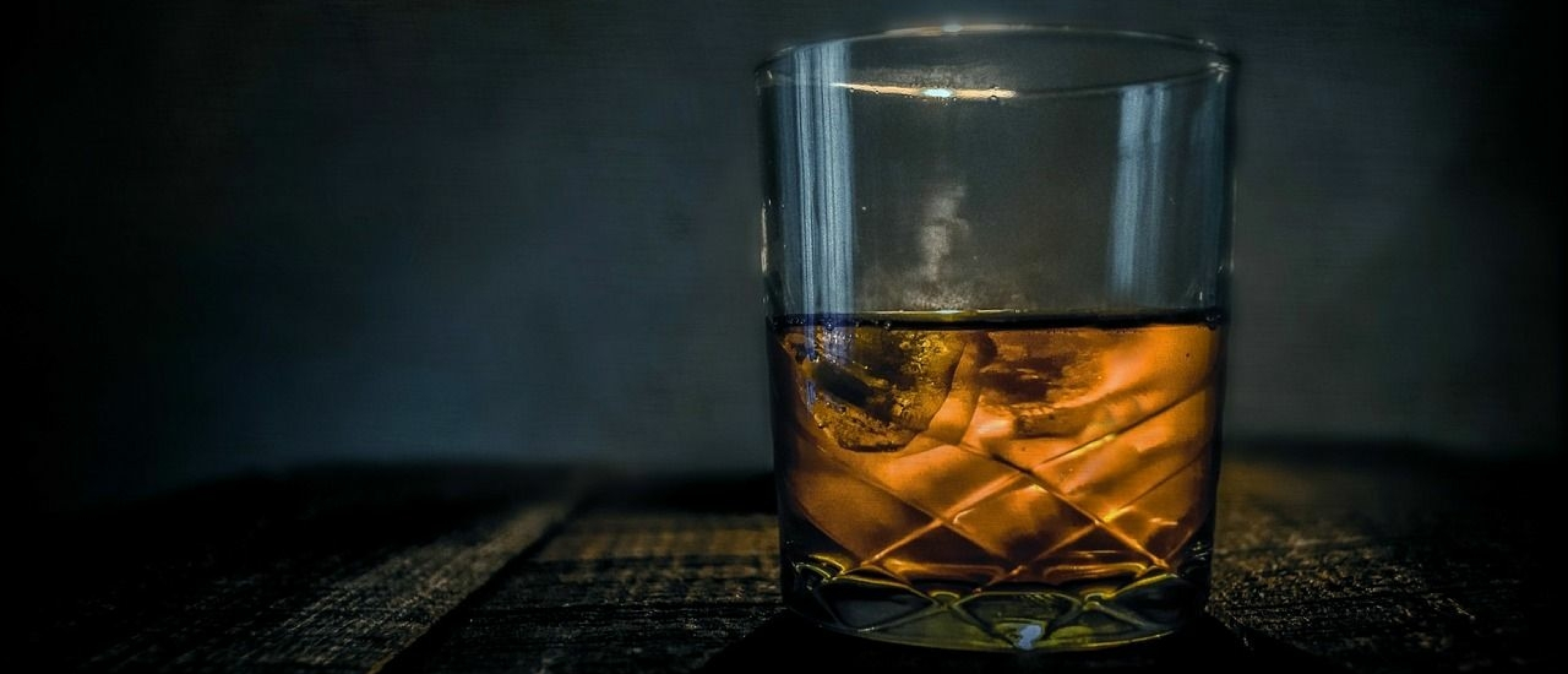

Many people reach for a drink after a difficult day.
A glass of wine after work.
A beer after an argument.
A drink to unwind after weeks of pressure and responsibility.
The reason is easy to understand.
Alcohol often creates a temporary feeling of relaxation.
Tension eases.
Worries seem less urgent.
The mind becomes quieter for a while.
From that perspective, alcohol appears to reduce stress.
The problem is that temporary relief and recovery are not necessarily the same thing.
While alcohol may make stress feel less intense in the moment, regular drinking can increase the physiological and psychological burden on the body over time.
Understanding that distinction helps explain why alcohol can gradually become part of a cycle that is difficult to escape.
Key Takeaways
- Alcohol often creates a temporary feeling of relaxation and stress relief.
- The underlying sources of pressure usually remain unchanged.
- Alcohol affects both the brain's reward system and the body's stress systems.
- Regular drinking can increase allostatic load, the cumulative strain associated with repeated adaptation.
- Alcohol can disrupt sleep, recovery, mood, and emotional resilience.
- Excessive alcohol use increases the risk of dependence, depression, and other stress-related problems.
Why Alcohol Feels Helpful
If alcohol did not feel rewarding, people would be unlikely to use it as a way of coping with stress.
Alcohol influences several brain systems involved in reward, emotion, and motivation.
Many people experience:
- Reduced tension
- Less self-consciousness
- Temporary relief from worries
- A greater sense of relaxation
These effects can be particularly appealing during periods of sustained pressure.
After a stressful day, the immediate relief may feel meaningful.
The difficulty is that the pressures that triggered the stress often remain exactly where they were before.
- Workload remains workload.
- Conflict remains conflict.
- Financial concerns remain financial concerns.
The feeling changes.
The situation often does not.
Relief Is Not the Same as Recovery
This distinction is important.
Recovery is an active process through which the body and mind return toward balance after periods of demand.
Alcohol can create a feeling of relief without necessarily supporting that process.
For example, someone may feel calmer after drinking while sleep quality, emotional resilience, and physical recovery are simultaneously being impaired.
The immediate experience and the longer-term consequences are not always aligned.
This is one reason alcohol can become a confusing coping strategy.
It often appears helpful in the short term while gradually contributing to additional strain over time.
Stress, Allostasis, and Allostatic Load
The body is constantly adjusting to changing demands.
Scientists refer to this process as allostasis.
Whenever pressure, uncertainty, illness, conflict, or other challenges arise, the body adapts in order to maintain stability and functioning.
These adaptations come at a cost.
The cumulative burden associated with repeated adaptation is known as allostatic load.
Alcohol is a classic example of a behaviour that can increase this burden.
Although drinking may reduce feelings of stress temporarily, it also requires the body to make additional physiological adjustments.
Over time, these adjustments can contribute to a higher allostatic load and make recovery more difficult.
Alcohol Affects Both Reward and Stress Systems
One reason alcohol is so complicated is that it influences multiple biological systems simultaneously.
Alcohol stimulates reward pathways in the brain, including systems involving dopamine.
Dopamine plays an important role in motivation, reward, and the experience of pleasure.
At the same time, alcohol activates stress-related systems, including the release of cortisol.
Cortisol helps the body adapt to challenges and maintain stability during periods of demand.
Repeated alcohol exposure can gradually alter both reward processing and stress regulation.
Over time, drinking may feel less rewarding while stress-related processes become more prominent.
This is one reason some people find themselves drinking more while feeling less benefit from it.
Habits, Learning, and Stress
An important function of the brain is learning from experience.
When a particular behaviour repeatedly provides relief, the brain begins to associate that behaviour with stress reduction.
Alcohol can therefore become linked to situations involving:
- Work stress
- Relationship problems
- Loneliness
- Uncertainty
- Emotional discomfort
Over time, drinking may become a habitual response to pressure rather than a deliberate choice.
The brain is constantly learning from experience.
When alcohol repeatedly provides relief from stress or emotional discomfort, the connection between the two can become stronger over time.
As a result, drinking may gradually become a more automatic response to pressure.
Alcohol, Stress, and Depression
Another reason alcohol deserves attention is its relationship with mood.
Many people drink because they feel stressed, exhausted, or emotionally overwhelmed.
Unfortunately, regular or excessive drinking can increase the risk of depressive symptoms over time.
Several factors appear to contribute.
Alcohol can disrupt sleep, alter reward-related brain systems, increase physiological stress, and reduce engagement in activities that normally support recovery and wellbeing.
People may exercise less, withdraw from social activities, or lose interest in hobbies and meaningful pursuits.
The result can be a gradual decline in mood and resilience.
This creates another potential cycle.
Stress contributes to drinking.
Drinking contributes to poorer recovery and lower mood.
Lower mood makes existing pressures feel more difficult to manage.
When Drinking Becomes Part of the Problem
Many people use alcohol occasionally without major consequences.
The risk increases when alcohol becomes one of the primary ways of coping with pressure.
Warning signs may include:
- Drinking more frequently than before
- Needing more alcohol to achieve the same effect
- Using alcohol to manage emotions
- Difficulty relaxing without alcohol
- Increased sleep problems despite drinking
- Growing concerns from family or friends
These signs do not automatically indicate dependence, but they may suggest that alcohol is beginning to play a larger role in stress management than intended.
Understanding the Pressure Behind the Drinking
People rarely drink because alcohol itself is the goal.
More often, alcohol is being used to manage something else.
Workload.
Conflict.
Loneliness.
Financial pressure.
Exhaustion.
Uncertainty.
Looking at these underlying pressures often provides more insight than focusing on alcohol consumption alone.
Understanding first, relieving stress second.
That principle applies here as well.
Want to Better Understand the Signs of Too Much Pressure?
Alcohol use is one of many ways people respond to sustained pressure.
The free guide Signs You're Under Too Much Pressure explores the physical, emotional, cognitive, and behavioural changes that can occur when pressure remains elevated for extended periods.
It can help you recognize patterns before they develop into more serious problems.
Frequently Asked Questions
Does alcohol reduce stress?
Alcohol often creates a temporary feeling of relaxation and reduced tension. However, the underlying sources of pressure usually remain unchanged, and regular drinking can contribute to additional stress over time.
Why does alcohol feel calming?
Alcohol influences brain systems involved in reward, emotion, and inhibition. These effects can temporarily reduce feelings of tension, worry, and self-consciousness.
Can alcohol increase stress?
Yes. Alcohol affects stress hormones, disrupts sleep, increases allostatic load, and can make recovery less effective over time.
Can drinking alcohol cause depression?
Regular or excessive alcohol use is associated with an increased risk of depressive symptoms. The relationship works in both directions: depression can increase drinking, and drinking can increase the risk of depression.
Is drinking alcohol a healthy way to cope with stress?
Occasional drinking is common, but relying on alcohol as a primary coping strategy can create additional problems over time. Understanding and addressing the pressures that drive stress is generally more effective in the long run.