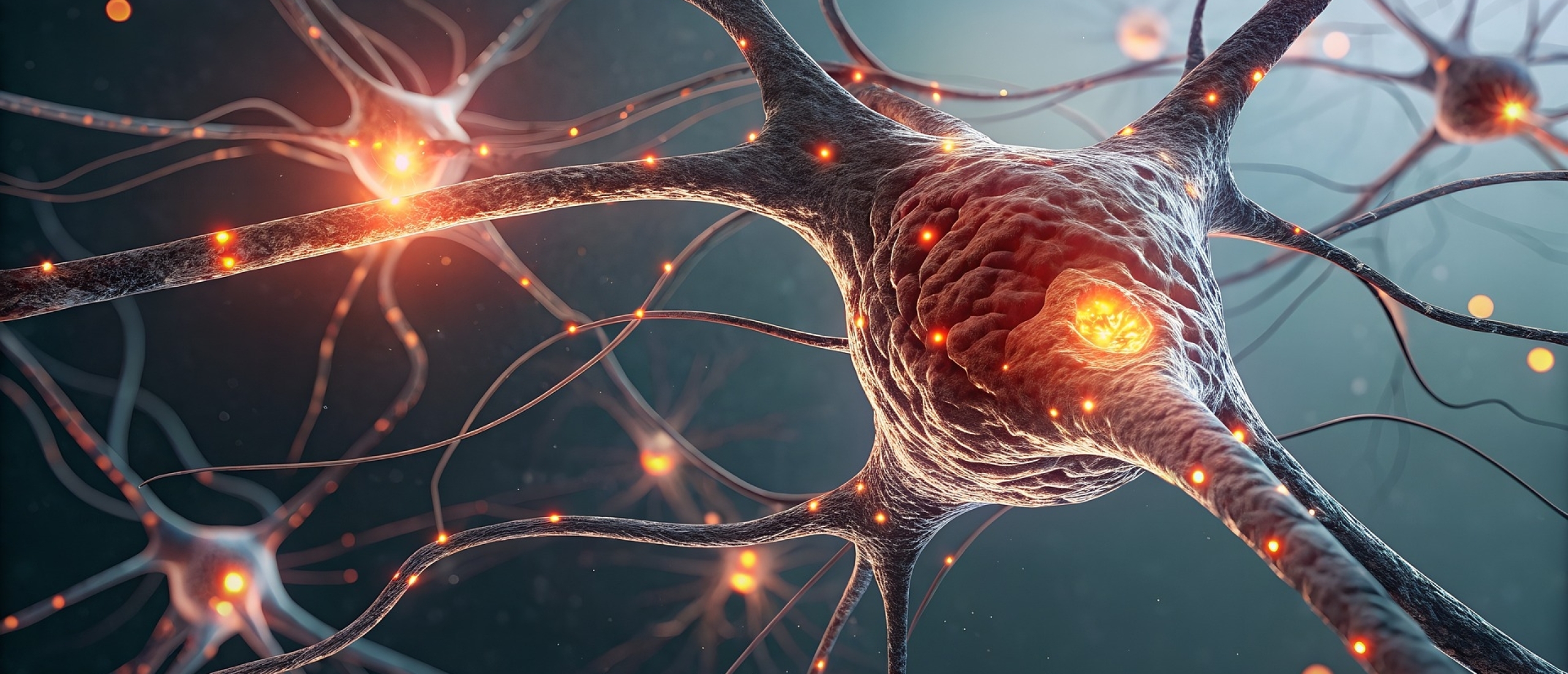

Stress is often experienced as tension, worry, irritability, or feeling overwhelmed.
Beneath these experiences, the brain is continuously adapting to the demands placed upon it.
During short periods of pressure these adaptations help us stay alert, solve problems, and respond quickly to changing situations. As demands continue and recovery becomes less complete, the same adaptive processes gradually influence how different brain systems function.
These changes affect attention, planning, emotional regulation, memory, and the way we respond to uncertainty. They help explain why sustained pressure feels very different from the temporary challenges that most people experience from time to time.
Understanding these processes also provides an important perspective on recovery. The brain is capable of remarkable adaptation throughout life. Just as these changes develop gradually, recovery also takes place over time as the conditions supporting healthy brain function begin to return.
Key Takeaways
- The brain continuously adapts to the demands placed upon it. Under sustained pressure these adaptations gradually change how different brain systems function.
- Chronic stress influences several interconnected brain regions, including the amygdala, prefrontal cortex, hippocampus, hypothalamus, and brainstem.
- These changes reflect the process of allostasis, through which the brain adjusts its functioning to help the body cope with ongoing demands.
- When sustained pressure continues for long periods, these adaptations accumulate into allostatic load, influencing concentration, emotional regulation, memory, decision making, and recovery.
- Recovery involves more than reducing stress temporarily. It develops as the brain gradually recalibrates through repeated experiences of safety, predictability, recovery, and appropriate challenge.
The Brain Continuously Adapts
One of the most remarkable properties of the brain is its ability to adapt.
Neural circuits are constantly changing in response to experience. New connections are formed, existing connections become stronger or weaker, and networks reorganise themselves to help us function as effectively as possible within our environment.
This ability, known as neuroplasticity, allows us to learn new skills, recover from injury, and adapt to changing circumstances throughout life.
The stress response uses this same capacity for adaptation.
When pressure is short-lived, the resulting changes help improve alertness, attention, and readiness to respond. These adaptations are highly effective when dealing with temporary challenges.
When pressure continues for weeks or months, however, the brain gradually begins adapting to a different reality: one in which demands appear to be persistent rather than temporary.
Understanding this distinction helps explain why chronic stress feels fundamentally different from acute stress.
Acute and Chronic Stress Represent Different Patterns of Adaptation
Acute stress activates two closely connected biological systems.
The sympathetic nervous system rapidly increases alertness through the release of noradrenaline, preparing the body to respond immediately.
At the same time, activation of the hypothalamic-pituitary-adrenal (HPA) axis leads to the release of cortisol, providing energy to meet the demands of the situation.
When these systems activate briefly, they support concentration, memory formation, and effective performance.
If demanding situations continue without sufficient opportunities for recovery, the brain gradually adjusts its own functioning to match what it now interprets as the normal environment.
This longer-term adaptation affects communication between multiple brain regions, changes the strength of neural connections, and gradually influences the way information is processed.
These changes form part of the process known as allostasis: maintaining stability by adapting to changing demands.
The Amygdala: Becoming More Sensitive to Uncertainty
The amygdala plays an important role in recognising events that may require immediate attention.
It continuously evaluates information arriving from both the external world and the body, helping prioritise situations that may deserve a rapid response.
Under sustained pressure, the amygdala gradually becomes more responsive.
Persistent release of noradrenaline increases the likelihood that amygdala neurons will respond to uncertain or emotionally significant information. At the same time, research has shown structural changes, including expansion of dendritic branches and increased synaptic connectivity, which strengthen communication within threat-related networks.
These adaptations increase the brain's sensitivity to potential challenges.
As a result, people often notice that they become more easily distracted by uncertainty, react more strongly to unexpected events, or remain mentally alert long after demanding situations have ended.
From an evolutionary perspective these changes are understandable.
In environments where danger is persistent, becoming more responsive to possible threats increases the chances of survival.
In modern workplaces, however, where deadlines, uncertainty, and workload often replace physical danger, the same adaptations can contribute to persistent tension, irritability, and difficulty switching off.
The Prefrontal Cortex: Working Harder to Maintain Control
The prefrontal cortex (PFC) coordinates many of the mental functions we rely on every day.
It helps us:
- plan and organise complex tasks;
- prioritise competing demands;
- hold information in working memory;
- regulate emotional responses;
- suppress distractions;
- make thoughtful decisions.
These functions depend on networks of neurons communicating efficiently with one another.
Under sustained pressure, cortisol and noradrenaline gradually influence these networks. Research has shown reductions in dendritic complexity, changes in synaptic connectivity, and alterations in the persistent neural activity that supports working memory and executive functioning.
As these adaptations develop, planning requires more effort, concentration becomes easier to interrupt, and decisions often take longer. People frequently describe this experience as mental fog, feeling scattered, or finding it difficult to organise their thoughts.
These changes also reduce the prefrontal cortex's ability to regulate activity in the amygdala, making emotional reactions and uncertainty more difficult to place into perspective.
The Hippocampus: Context, Memory, and Recovery
The hippocampus is best known for its role in memory, but it also helps the brain place experiences into context.
It contributes to answering questions such as:
- Is this situation genuinely dangerous?
- Have I experienced something similar before?
- Is the current threat still present?
The hippocampus also helps regulate the HPA axis, allowing the stress response to settle once a challenge has passed.
Under prolonged pressure, hippocampal neurons show reductions in dendritic complexity and altered synaptic plasticity. These changes make it more difficult to distinguish between current demands and previous stressful experiences while also reducing the efficiency with which the brain regulates its own stress response.
People may notice this as memory lapses, difficulty concentrating, feeling mentally foggy, or finding it harder to "switch off" after work.
Communication Between Brain Regions Also Changes
Understanding individual brain regions is only part of the picture.
The brain functions through networks that continuously exchange information.
Under sustained pressure, communication between these networks gradually changes.
Connections between the prefrontal cortex and the amygdala become less effective, making emotional responses more difficult to regulate.
Communication between the hippocampus and the amygdala increasingly favours emotionally significant information, while contextual information receives less influence.
At the same time, brain regions involved in rapid physiological responses, including the hypothalamus and brainstem, play a greater role in coordinating behaviour during demanding situations.
These network-level adaptations help explain why chronic stress influences attention, decision making, emotional regulation, sleep, and recovery simultaneously rather than as isolated symptoms.
Why Does the Brain Adapt in This Way?
The changes associated with chronic stress follow a clear biological logic.
Throughout human evolution, environments were often unpredictable and dangerous. Individuals who detected threats quickly, reacted rapidly, and remained alert were more likely to survive and reproduce.
Many of the adaptations seen during chronic stress support those goals.
Greater vigilance increases the likelihood of noticing potential danger.
Faster emotional responses reduce hesitation.
Simplifying decision making conserves energy during prolonged adversity.
Resources are directed towards processes that improve immediate survival while reducing investment in functions that are less important during persistent challenge.
These adaptations become less helpful when the challenges involve deadlines, heavy workloads, constant interruptions, or organizational uncertainty rather than physical danger.
The brain continues responding according to principles that evolved over thousands of generations, even though the modern environment has changed dramatically.
Allostasis and Allostatic Load
These adaptations are part of a broader biological process known as allostasis.
Allostasis refers to the body's ability to maintain stability by adjusting its physiology and behaviour to meet changing demands.
In the short term, this flexibility supports health and performance.
As adaptations accumulate over longer periods, they begin to place increasing demands on multiple body systems. This accumulated burden is known as allostatic load.
Within the brain, allostatic load contributes to changes in attention, memory, emotional regulation, cognitive flexibility, and recovery.
These changes develop gradually as sustained pressure continues. Recovery follows the same gradual pattern. Many people first notice improvements in concentration, sleep, emotional regulation, and mental clarity before feeling fully recovered.
Recovery Is Also a Process of Adaptation
Recovery involves much more than feeling relaxed after a busy day.
It is an active biological process during which the brain gradually adjusts its expectations about the environment.
Repeated experiences of predictable routines, supportive relationships, healthy sleep, physical activity, opportunities for recovery, and a realistic sense of control all contribute to this recalibration.
These experiences support neuroplasticity, strengthen communication between brain regions, and create conditions that favour healthier patterns of adaptation over time.
Structural recovery develops gradually because rebuilding synaptic connections, restoring dendritic complexity, and re-establishing network efficiency all require repeated signals that the environment has become more manageable.
Different Strategies Support Different Parts of Recovery
Research suggests that different approaches influence different stages of the recovery process.
Brief techniques such as slow breathing, grounding exercises, or short recovery pauses help reduce physiological activation and improve attention in the moment.
Lifestyle factors including healthy sleep, regular physical activity, supportive relationships, and consistent recovery periods help create conditions that support long-term adaptation.
Changes in the working environment, such as improving workload, increasing autonomy, strengthening social support, and reducing unnecessary uncertainty, address many of the sources of sustained pressure themselves.
Together, these approaches support the gradual recalibration of brain function over time.
Understanding Brain Adaptation Creates Opportunities for Recovery
One of the most encouraging findings from neuroscience is that the same plasticity allowing the brain to adapt to sustained pressure also supports recovery.
Recognising how chronic stress influences brain function helps explain why concentration, emotional regulation, decision making, and recovery often change together.
It also shows why meaningful recovery develops through repeated experiences that gradually reshape the brain's expectations about the environment.
If you've recently started noticing changes in concentration, mental clarity, or recovery, our free guide Signs You're Under Too Much Pressure explains how these changes often develop and how recognising them early can help you respond.
If sustained pressure has already begun to influence your daily functioning, Trapped in Overwhelm explores five practical micro-actions that build on the neuroscience described in this article and help create conditions that support clearer thinking and recovery over time.
Frequently Asked Questions
Are the effects of chronic stress on the brain permanent?
Current research suggests that many stress-related changes are reversible. Recovery depends on reducing sustained pressure while creating conditions that support healthy neuroplasticity over time.
How long does recovery usually take?
Recovery varies considerably between individuals. Functional improvements in attention, sleep, and emotional regulation may appear within weeks, while structural adaptations within the brain often require longer periods of consistent recovery.
Does mindfulness change the brain?
Research suggests that consistent mindfulness practice can influence brain networks involved in attention and emotional regulation. The greatest benefits occur when mindfulness is combined with healthy recovery habits and reductions in sustained stress.
Why does chronic stress affect memory?
The hippocampus plays an important role in memory formation and regulating the stress response. Sustained pressure influences both functions, contributing to forgetfulness, difficulty concentrating, and mental fog.
Why is understanding brain adaptation helpful?
Understanding these processes explains why chronic stress influences many aspects of thinking, emotion, and behaviour at the same time. It also highlights that recovery develops through the brain's remarkable capacity to adapt to healthier conditions.