
Many people notice that periods of prolonged pressure are accompanied by increasing worry, nervousness, or a sense of being constantly on edge.
Tasks that once felt manageable may begin to feel more demanding. Small uncertainties can occupy more mental space. Some people find it increasingly difficult to relax, switch off, or stop thinking about potential problems.
These experiences raise an important question: can stress cause anxiety?
Research suggests that chronic stress can increase vulnerability to anxiety. Prolonged activation of the body's stress systems can influence brain regions involved in threat detection, emotional regulation, and attention. Over time, these changes may contribute to persistent feelings of worry, vigilance, and unease.
Understanding how stress and anxiety are connected can help explain why anxiety sometimes develops gradually during periods of ongoing pressure.
Key Takeaways
- Chronic stress can increase the risk of anxiety.
- Repeated activation of stress systems can heighten sensitivity to potential threats.
- The amygdala and prefrontal cortex play important roles in the relationship between stress and anxiety.
- Some people are particularly sensitive to the physical sensations associated with stress.
- Anxiety can persist even after the original source of pressure has been resolved.
- Recognising stress early may help reduce the likelihood of anxiety becoming more established.
Can Stress Cause Anxiety?
Stress and anxiety are closely related experiences.
Stress is a response to challenges, demands, or pressures. Anxiety involves anticipation of potential threats or future problems.
In everyday life, the two often occur together.
The Stressinsight Pressure Pathway describes how ongoing pressure can lead to repeated activation of stress responses. As recovery becomes less complete, changes in sleep, concentration, energy, and emotional functioning may begin to emerge.
One of these changes can involve how the brain responds to potential threats.
Situations that previously felt manageable may begin to feel more uncertain. Small problems may attract more attention. Thoughts about future risks can become harder to dismiss.
Over time, these shifts may contribute to the development of anxiety symptoms.
This does not mean that everyone experiencing stress will develop anxiety. Anxiety is influenced by many factors, including personality, genetics, previous experiences, and social circumstances. Chronic stress is one factor that can increase vulnerability.
How Stress Changes Threat Detection
One of the brain structures most closely linked to anxiety is the amygdala.
The amygdala helps detect potential threats and prepares the body to respond when danger is present.
This function is essential for survival. Quickly recognising danger allows people to react before conscious thought has fully evaluated the situation.
Research suggests that chronic stress can increase amygdala activity and sensitivity.
As a result, situations that would previously have been interpreted as neutral or manageable may begin to attract more attention and concern. The brain becomes increasingly prepared to detect possible threats.
This heightened vigilance can contribute to symptoms such as:
- excessive worry
- feeling constantly on edge
- difficulty relaxing
- increased startle responses
- heightened sensitivity to uncertainty
From an evolutionary perspective, this response makes sense. A brain that detects danger quickly can improve survival.
The downside is that when threat-detection systems remain highly active, they may begin responding to situations that pose little or no actual danger.
The Role of the Prefrontal Cortex
While the amygdala helps detect threats, the prefrontal cortex helps evaluate them.
The prefrontal cortex plays an important role in decision-making, emotional regulation, attention, and perspective-taking.
It helps answer questions such as:
- Is this situation truly dangerous?
- How likely is the feared outcome?
- What options are available?
Research suggests that prolonged stress can reduce the efficiency of these regulatory functions.
When this occurs, it may become more difficult to place concerns into perspective or reassure oneself that a situation is manageable.
The combination of increased amygdala activity and reduced prefrontal regulation is thought to contribute to the persistence of anxiety symptoms.
The Role of Cortisol and the HPA Axis
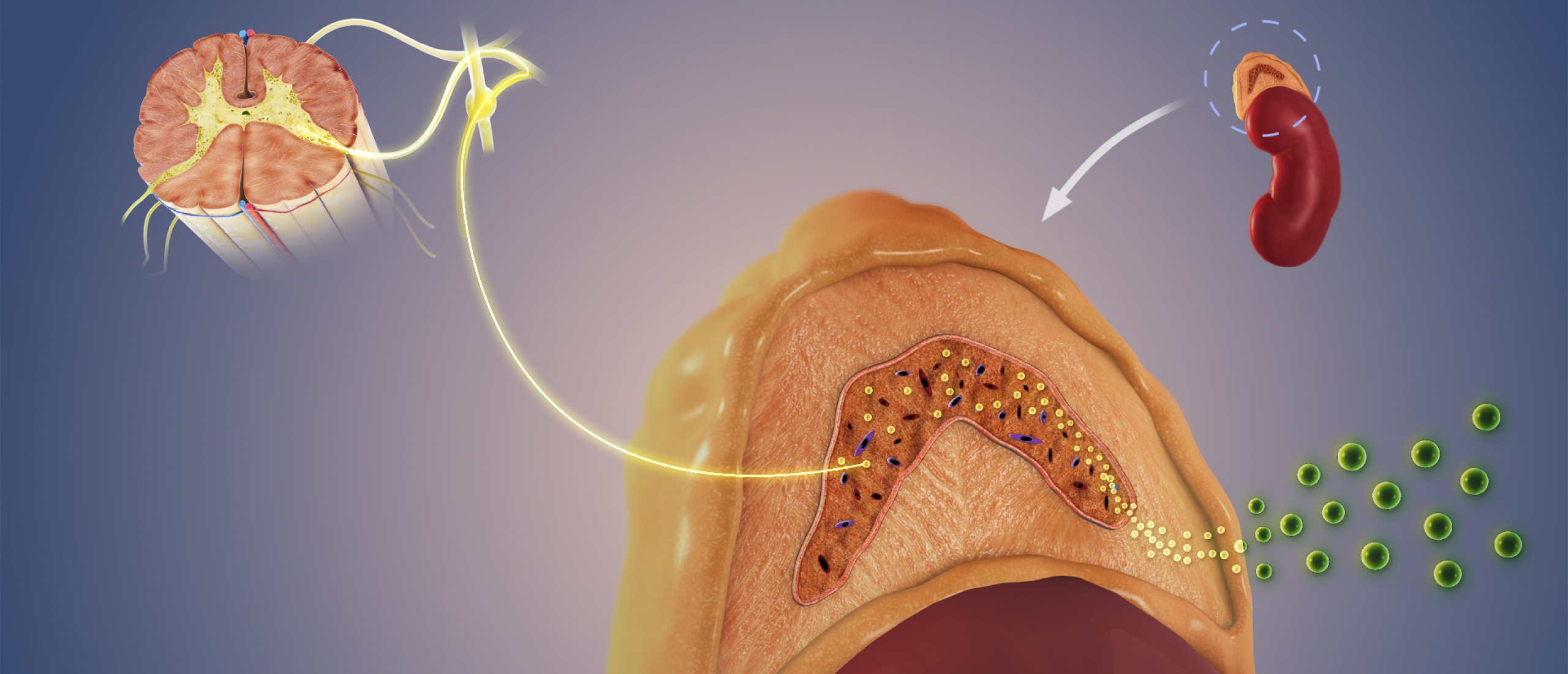
The body's stress response is coordinated in part through the hypothalamic-pituitary-adrenal (HPA) axis.
When challenges arise, the HPA axis stimulates the release of cortisol from the adrenal glands.
Cortisol helps mobilise energy and prepares the body to respond effectively to demands.
During short-term stress, this process is generally adaptive.
When stress becomes prolonged, however, cortisol regulation may change. Researchers have observed alterations in HPA-axis functioning in many people with anxiety disorders, although the exact patterns vary between individuals.
These changes may contribute to heightened vigilance, increased sensitivity to stress, and difficulties returning to a relaxed state after challenges have passed.
Anxiety Sensitivity and Panic Attacks
People differ in how they respond to the physical sensations associated with stress.
Some individuals are particularly sensitive to bodily signals such as:
- a racing heart
- shortness of breath
- dizziness
- muscle tension
- sweating
Researchers refer to this tendency as anxiety sensitivity.
People with high anxiety sensitivity are more likely to interpret these normal stress responses as signs that something is wrong.
For example, a rapid heartbeat may be interpreted as evidence of a medical emergency rather than a temporary stress response.
Studies have found that individuals with high anxiety sensitivity are more vulnerable to panic attacks during stressful periods.
Personality traits may also play a role. Higher levels of neuroticism (or negative emotionality), for example, have been associated with greater sensitivity to stress and anxiety.
Why Anxiety Can Persist
One reason anxiety can be difficult to overcome is that the original source of pressure is not always required for anxiety to continue.
A period of prolonged stress may alter patterns of attention, threat perception, and emotional regulation.
Even after the initial pressure has been reduced, the brain may remain vigilant.
People may continue monitoring for potential problems, noticing bodily sensations more closely, or anticipating future difficulties.
Over time, these patterns can become self-reinforcing.
This helps explain why anxiety sometimes persists even after the circumstances that originally triggered it have changed.
Supporting Recovery
Anxiety associated with chronic stress is treatable.
For many people, recovery involves addressing both anxiety symptoms and the pressures contributing to them.
Several approaches may support recovery:
- improving sleep quality
- engaging in regular physical activity
- strengthening social support
- developing effective coping strategies
- reducing ongoing sources of pressure where possible
- seeking professional support when needed
Psychological therapies such as cognitive behavioural therapy (CBT) have strong evidence for reducing anxiety symptoms and helping people develop healthier responses to stress.
Understanding Anxiety Before It Becomes Entrenched
Anxiety often develops gradually.
Many people notice increasing tension, worry, irritability, sleep difficulties, or trouble switching off long before anxiety becomes severe.
Recognising these changes early creates an opportunity to address pressure before anxiety becomes more deeply established.
If you would like to learn more about the early signs of prolonged pressure, explore our free guide Signs You're Under Too Much Pressure.
FAQs
Can stress directly cause anxiety?
Chronic stress can increase vulnerability to anxiety by influencing brain systems involved in threat detection and emotional regulation. Anxiety is usually influenced by multiple biological, psychological, and social factors.
What is the difference between stress and anxiety?
Stress is a response to demands or challenges. Anxiety involves anticipation of potential threats and future problems. The two often occur together and influence one another.
Can anxiety continue after stress has ended?
Yes. Anxiety can persist after the original source of pressure has been resolved because patterns of vigilance, threat detection, and worry may remain active.
What is anxiety sensitivity?
Anxiety sensitivity refers to a tendency to interpret normal physical sensations associated with stress as dangerous. People with high anxiety sensitivity are more vulnerable to panic attacks.
Can chronic stress change the brain?
Research suggests that prolonged stress can influence the functioning of brain regions involved in threat detection, emotional regulation, memory, and decision-making.
When should I seek professional help for anxiety?
If anxiety symptoms persist, interfere with daily functioning, affect sleep, or significantly reduce quality of life, it is advisable to consult a qualified healthcare professional.