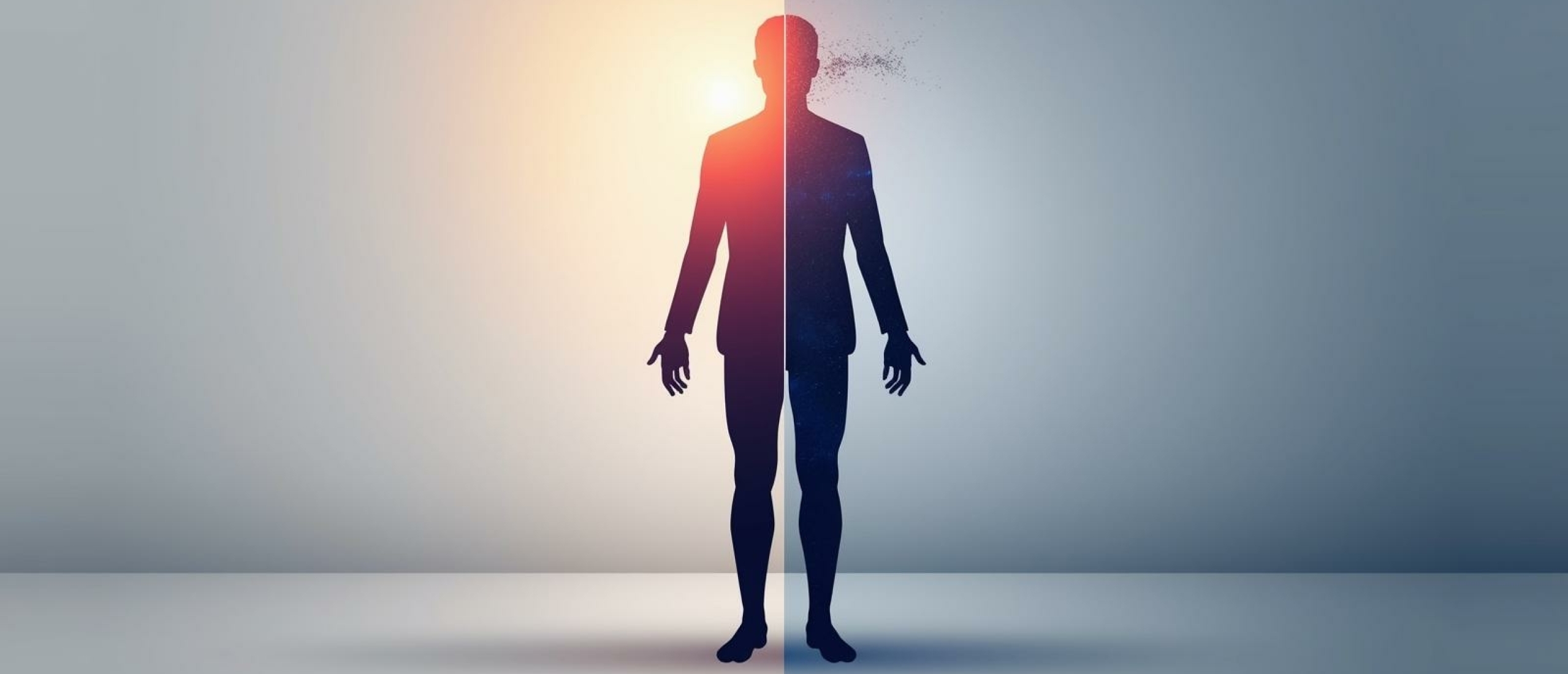

One question that comes up regularly when discussing stress is whether men and women react differently to pressure.
Many people notice differences in themselves, their partners, colleagues, friends, or family members. Some people seem more likely to seek support when stressed, while others prefer to solve problems alone or withdraw from difficult situations.
Researchers have been investigating these differences for decades. Their findings suggest that both biology and life experiences influence how stress is experienced and expressed.
Stress affects everyone, but people do not always respond to pressure in the same way.
Hormones influence how stress systems operate and recover. Social expectations, life experiences, personality, and environment also contribute to how stress is experienced and expressed.
Understanding these influences can help explain why certain stress reactions are more common in some people than others, while also highlighting the considerable variation that exists within both sexes.
Key Takeaways
- Men and women share the same basic stress-response systems.
- Hormones such as cortisol, adrenaline, estrogen, and oxytocin influence how stress responses are regulated.
- Women are often more likely to seek social support during stressful situations.
- Men are somewhat more likely to respond through action, problem-solving, withdrawal, or confrontation.
- Individual differences remain large, and gender is only one factor influencing stress responses.
- Personality, life experiences, relationships, and work environments all contribute to how people respond to pressure.
The Shared Biology of Stress
At the most fundamental level, men and women respond to stress through the same biological systems.
When a situation is perceived as threatening, demanding, or uncertain, the body activates two closely connected stress systems.
The sympathetic nervous system produces a rapid response, releasing adrenaline and preparing the body for action. Heart rate increases, breathing becomes faster, and attention becomes more focused.
A second system, known as the hypothalamic-pituitary-adrenal (HPA) axis, releases cortisol. Cortisol helps mobilise energy and supports the body's ability to adapt to ongoing challenges.
These systems are essential for responding effectively to pressure. Without them, people would struggle to react to important demands or threats.
Men and women share the same fundamental stress-response systems.
Researchers have instead focused on understanding whether these systems are regulated somewhat differently and whether those differences influence behaviour, recovery, and vulnerability to stress-related problems.
Cortisol, Recovery, and Stress Regulation
One area of research concerns how cortisol responses are regulated.
Studies have often found similar cortisol increases in men and women during acute stress. However, some evidence suggests that sex hormones may influence how stress responses are maintained and how quickly recovery occurs afterward.
Estrogen and other reproductive hormones interact with the HPA axis in complex ways. Researchers have proposed that these interactions may contribute to differences in stress sensitivity, emotional processing, and vulnerability to certain stress-related conditions.
The picture is far from simple. Hormonal influences vary across the lifespan and can be affected by factors such as age, menstrual cycle phase, pregnancy, menopause, health status, and individual biology.
What emerges from the research is not a single pattern but a tendency for stress regulation to be influenced by different hormonal environments in men and women.
The Role of Oxytocin
One hormone that has received considerable attention in stress research is oxytocin.
Oxytocin is often associated with social bonding, trust, and attachment. It is released during positive social interactions, physical affection, and caregiving behaviours. Researchers have also found that oxytocin is released during stressful situations.
The effects of oxytocin are complex and continue to be studied. Rather than simply reducing stress, oxytocin appears to influence how people respond to stressful situations, particularly those involving social relationships.
Some studies suggest that women may show greater oxytocin responses during stress than men. This difference has been proposed as one factor that contributes to differences in coping styles and social behaviour during periods of pressure.
The Tend-and-Befriend Response
For many years, stress research focused primarily on the fight-or-flight response.
This model describes how the body prepares to confront a threat or escape from it. Increased heart rate, heightened alertness, and the mobilisation of energy are all part of this response.
Researchers later observed that many stressful situations did not fit neatly into this framework, particularly when studying women.
Psychologist Shelley Taylor and colleagues proposed an additional pattern known as the tend-and-befriend response.
This response involves behaviours such as:
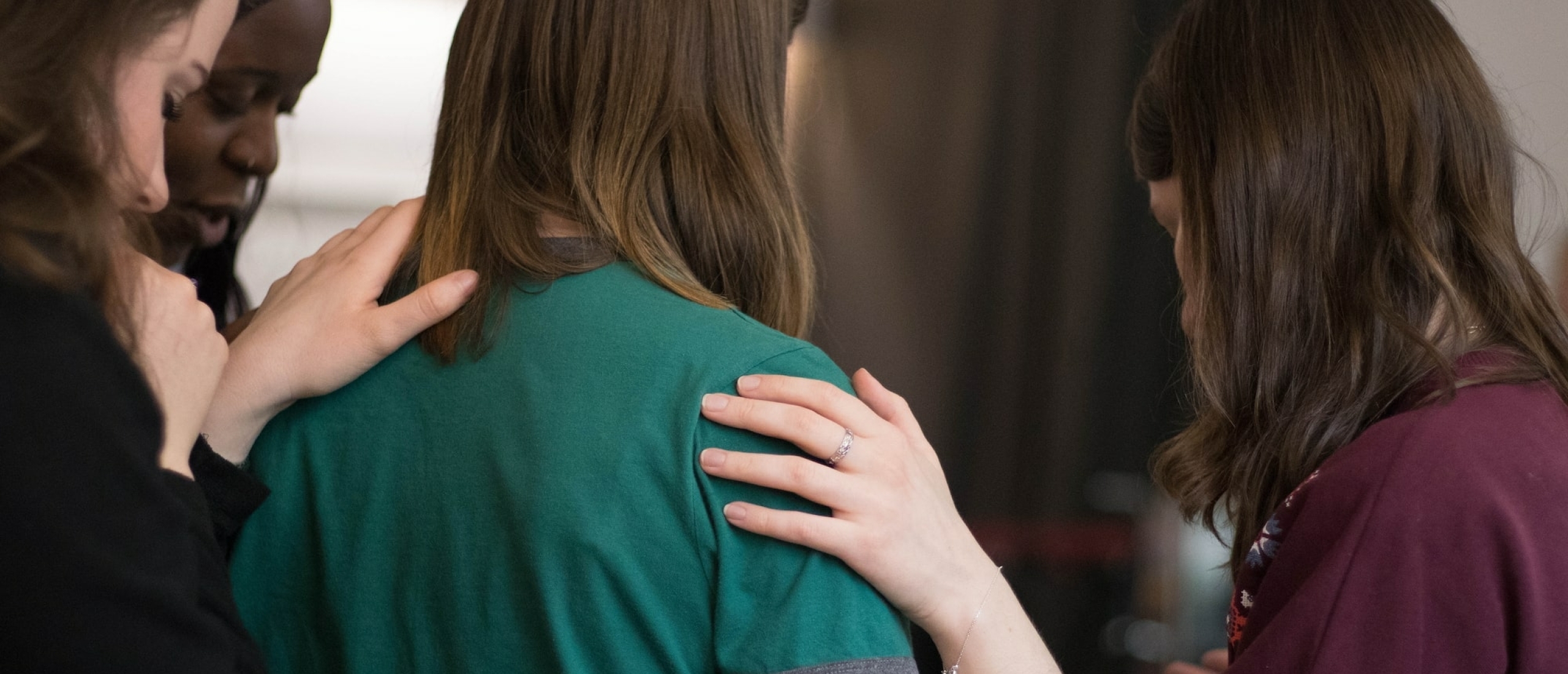
- seeking social support
- strengthening social connections
- caring for family members
- protecting vulnerable individuals
- maintaining group cohesion during difficult circumstances
The central idea is that these behaviours may help reduce stress by increasing safety, cooperation, and social support. Providing care to others and strengthening relationships may therefore benefit not only the people receiving support but also the person providing it.
Research generally finds that women are more likely to use social connection as part of their coping strategy, although substantial individual differences exist.
Social Support as a Stress Buffer
One of the most consistent findings in stress research concerns the value of social support.
People who feel supported by friends, family members, colleagues, or partners often cope more effectively with stressful situations.
Social support may influence stress in several ways.
It can provide practical assistance, emotional reassurance, alternative perspectives, and a sense of belonging during difficult periods.
Researchers have frequently observed that women place greater emphasis on social relationships when managing stress. Men also benefit from social support, although they may be somewhat less likely to actively seek it.
These patterns are tendencies rather than rules. Indeed, many men rely heavily on social support, while many women prefer more independent coping strategies.
The broader message is that social connection appears to be one of the most powerful resources available during periods of sustained pressure.
Why Anxiety and Depression Are More Common in Women
Women are diagnosed with anxiety disorders and depression more frequently than men.
Researchers continue to investigate the reasons for this difference.
Several factors have been proposed.
Hormonal influences may contribute to differences in stress regulation and emotional processing. Women are also more likely to experience certain forms of social stress, including relationship difficulties, caregiving responsibilities, and concerns about social evaluation.
Patterns of thinking may play a role as well. Some studies suggest that women are more likely to engage in rumination, a process involving repeated focus on distressing thoughts or emotions.
None of these explanations fully accounts for the difference on its own.
Most researchers now view anxiety and depression as the result of multiple interacting influences that include biology, psychology, life experiences, social circumstances, and stress exposure.
Why Individual Differences Are Important
Gender influences stress responses, but it is only one piece of a much larger picture.
People differ enormously in personality, life history, resilience, coping styles, relationships, work environments, and current circumstances.
For example, personality traits such as neuroticism, conscientiousness, extraversion, and agreeableness can influence stress responses just as strongly as biological sex.
Previous experiences also matter. Childhood environments, major life events, trauma, social support, and learned coping strategies all contribute to how people respond to pressure.
This helps explain why some men display strong tend-and-befriend patterns, while some women respond more directly through action, confrontation, or withdrawal.
Why Understanding Your Own Stress Pattern Is Key
Articles about gender differences often create the impression that stress responses fall into two categories: male and female.
The research paints a more nuanced picture.
Gender influences stress responses, but so do personality, life experiences, relationships, work environments, and previous exposure to pressure.
Understanding your own patterns is often more useful than comparing yourself to others. Some people recover through social connection. Others need solitude, physical activity, structure, reflection, or a combination of approaches.
Recognising how stress tends to show up in your own life can make it easier to spot early changes before pressure begins to affect health, recovery, or performance.
If you would like to learn more about these early warning signs, download our free guide:
Signs You're Under Too Much Pressure
The guide explains common changes in energy, concentration, recovery, mood, and performance that often appear before exhaustion becomes obvious.
FAQs
Do men and women experience stress differently?
Research suggests that men and women often show different patterns of coping, emotional processing, and social behaviour during stressful situations. Individual differences remain substantial.
What is the tend-and-befriend response?
The tend-and-befriend response describes a pattern of coping that emphasises social connection, caregiving, and cooperation during stressful situations. It is often discussed alongside the traditional fight-or-flight response.
Does oxytocin reduce stress?
Oxytocin appears to influence how people respond to stress, particularly in social situations. Its effects are complex and extend beyond simple stress reduction.
Why are anxiety and depression more common in women?
Researchers believe that biological, psychological, and social factors all contribute. Hormonal influences, social stressors, and differences in emotional processing may each play a role.
Does gender determine how someone responds to stress?
No. Gender influences stress responses, but personality, life experiences, coping strategies, relationships, and current circumstances also have important effects.
Are men less likely to seek support when stressed?
Studies often find that men are somewhat less likely to actively seek social support. However, many men benefit greatly from supportive relationships and regularly use them as coping resources.