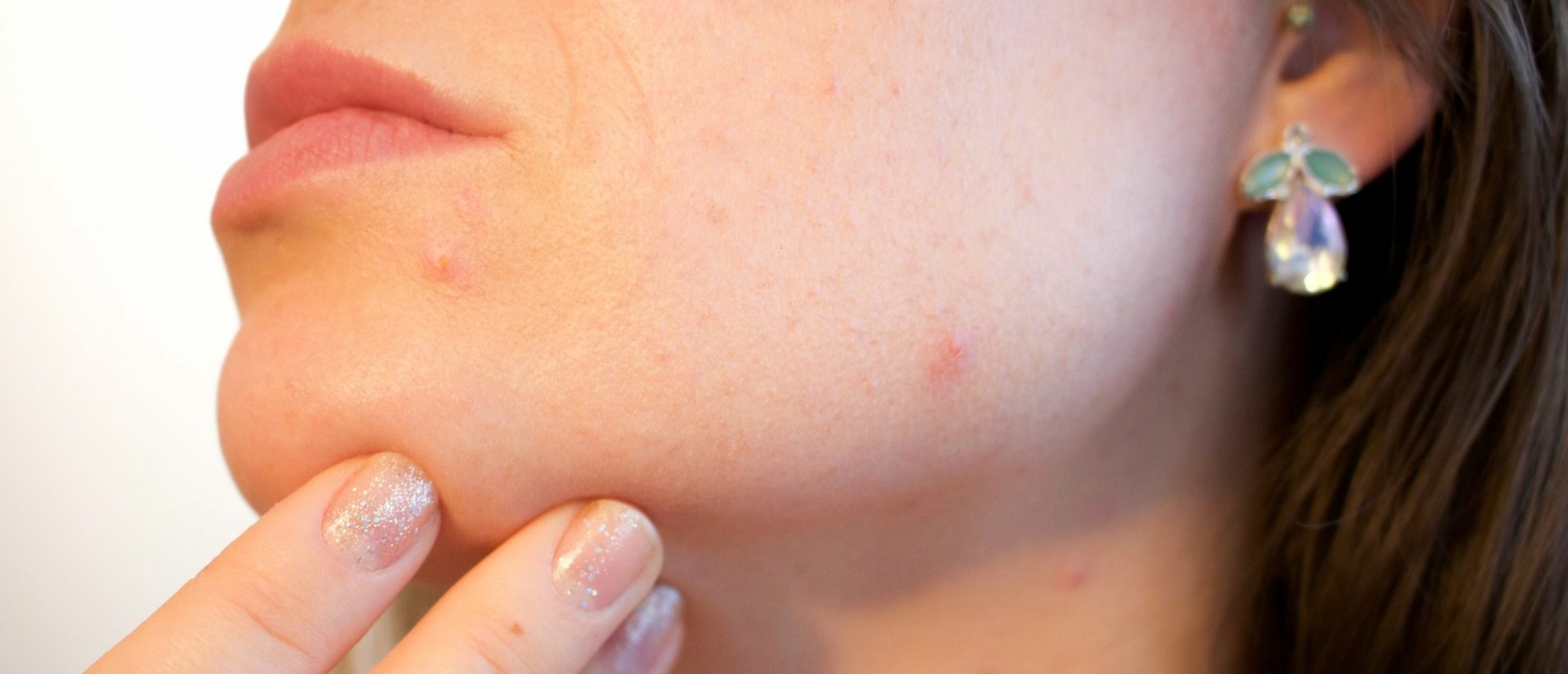

Many people notice changes in their skin during stressful periods.
Acne may become more severe before an important exam. Eczema may flare up during a difficult period at work. Small wounds may seem to take longer to heal. Some people report that their skin becomes more sensitive, dry, or irritated when they are under pressure.
The connection between stress and skin health has become an active area of scientific research. Studies suggest that the skin is closely connected to the body's stress systems.
This relationship helps explain why changes in the skin sometimes appear alongside other signs that recovery may be falling behind.
Key Takeaways
- The skin is closely connected to the body's stress systems.
- The skin contains its own local stress-response mechanisms.
- Chronic stress can influence inflammation, immune function, and wound healing.
- Prolonged pressure may worsen conditions such as acne, psoriasis, and atopic dermatitis.
- Chronic stress can impair skin barrier repair and contribute to skin ageing.
- Changes in skin health can sometimes reflect broader effects of prolonged pressure on the body.
Why the Skin Responds to Stress
The skin is much more than a protective covering.
As the body's largest organ, it forms a barrier between the internal environment and the outside world. It helps regulate temperature, protects against microorganisms, and contains a large network of sensory receptors that continuously monitor the environment.
The skin constantly communicates with the brain.
Changes in temperature, pressure, pain, inflammation, and tissue damage generate signals that are transmitted to the nervous system. The brain interprets this information and coordinates appropriate responses.
Communication also occurs in the opposite direction. Signals from the brain influence blood flow, immune activity, inflammation, and repair processes within the skin.
Because of this close relationship, changes in the body's stress systems can influence skin function in multiple ways.
The Skin's Own Stress System
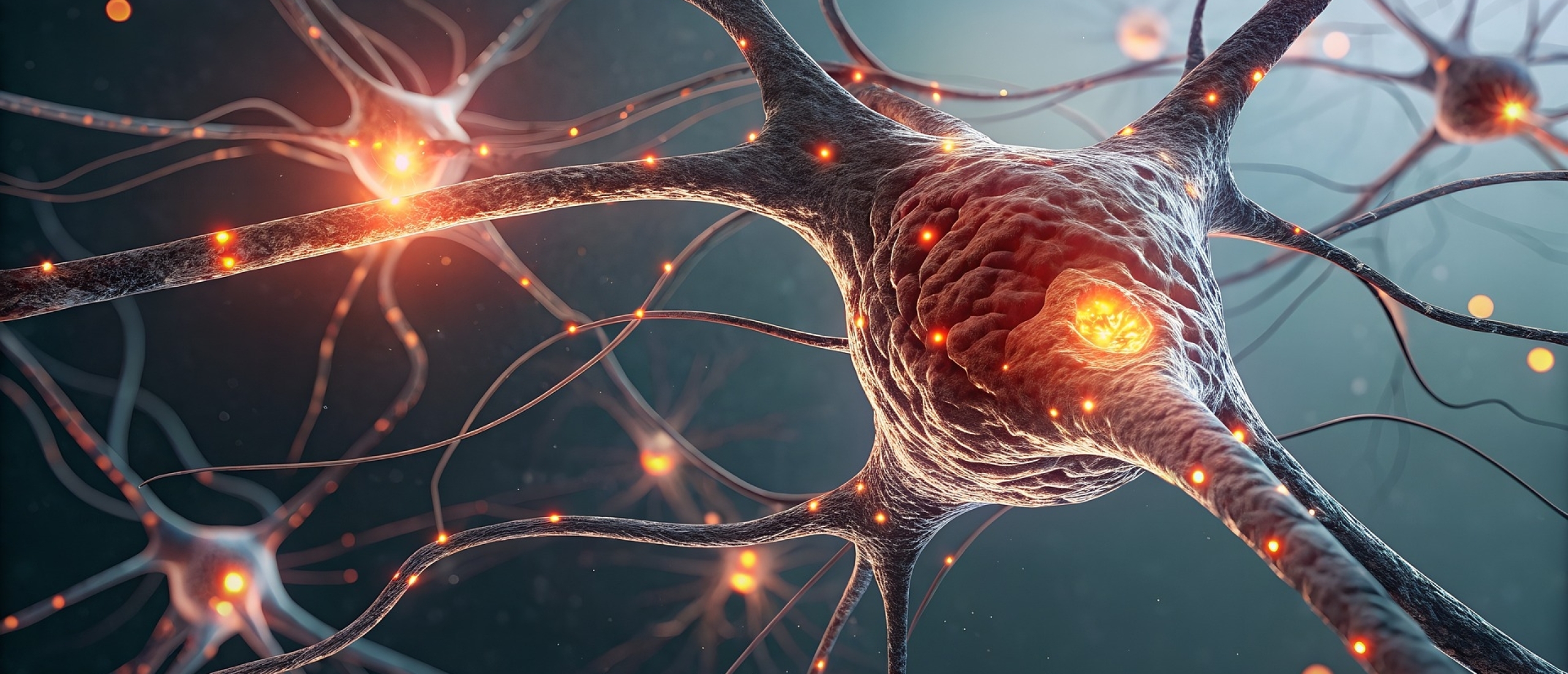
One of the more surprising discoveries in stress research is that the skin contains many of the same signalling molecules involved in the body's central stress response.
When the brain responds to stress, the hypothalamic-pituitary-adrenal (HPA) axis becomes active. This system involves the release of corticotropin-releasing factor (CRF), adrenocorticotropic hormone (ACTH), and cortisol.
Researchers have discovered that similar signalling pathways also exist within the skin itself.
Skin cells can produce CRF, ACTH, and other stress-related molecules that influence inflammation, immune activity, blood flow, and tissue repair.
In this sense, the skin functions as a local stress-response organ that can react directly to challenges occurring at the body's surface.
These local responses play important roles in wound healing, defence against microorganisms, and maintaining the skin barrier.
How Chronic Stress Affects Skin Function
Short-term stress responses can be useful because they help the body respond to challenges and injury.
Problems are more likely to emerge when pressure persists and recovery becomes less complete.
The skin continuously renews itself. New cells are produced, damaged cells are removed, and the skin barrier is constantly repaired.
Research suggests that chronic stress can interfere with several of these processes.
Skin Barrier Function
The outer layer of the skin acts as a protective barrier.
This barrier depends on specialised lipids and tightly organised cells that help retain moisture and prevent irritants, allergens, and microorganisms from entering the body.
Chronic stress can reduce the production of these protective lipids, making the barrier less effective.
As a result, the skin may become:
- drier
- more sensitive
- more easily irritated
- more vulnerable to infection
Inflammation
Stress influences immune activity and inflammatory responses throughout the body, including the skin.
When these processes remain activated for long periods, inflammatory skin conditions may become more active.
This helps explain why many people report worsening skin symptoms during periods of prolonged pressure.
Stress and Acne
Acne is one of the skin conditions most commonly linked to stress.
Research has found associations between higher stress levels and greater acne severity.
Several biological mechanisms may contribute to this relationship.
Stress-related hormones can increase sebum production, influence inflammation, and affect immune activity within the skin. Stress may also alter behaviours that influence acne, including sleep patterns and skin care habits.
For many people, stress is one of several factors that can contribute to worsening acne symptoms.
Stress and Psoriasis
Psoriasis is a chronic inflammatory skin condition characterised by accelerated skin-cell turnover and inflammation.
Many people with psoriasis report that symptoms become more active during stressful periods.
Researchers believe that stress-related changes in immune function and inflammatory signalling may contribute to these flare-ups.
The relationship can become cyclical. Psoriasis symptoms may increase stress, and increased stress may further aggravate psoriasis symptoms.
Stress and Atopic Dermatitis
Atopic dermatitis, often called eczema, is another condition that appears sensitive to stress.
People with atopic dermatitis often have a weakened skin barrier and increased skin inflammation.
Stress may worsen both processes.
Increased itching, irritation, and sleep disruption can then contribute to additional psychological stress, creating a cycle that is often difficult to break.
Stress, Wound Healing, and Recovery
One of the clearest demonstrations of the connection between stress and skin health comes from studies of wound healing.
Research has shown that wounds may heal more slowly during periods of chronic stress.
Several mechanisms appear to contribute:
- reduced immune function
- altered inflammatory responses
- slower production of new tissue
- reduced collagen formation
Studies involving caregivers and students during examination periods have demonstrated measurable delays in wound healing compared with less stressful periods.
These findings illustrate how prolonged pressure can influence the body's ability to repair itself.
Stress and Skin Ageing
The effects of chronic stress may extend beyond temporary skin problems.
Long-term exposure to stress is associated with processes linked to skin ageing, including:
- reduced collagen production
- impaired tissue repair
- increased oxidative stress
- accelerated cellular ageing
Researchers have also observed associations between chronic stress and shortening of telomeres, protective structures located at the ends of chromosomes that are involved in cellular ageing.
Although skin ageing is influenced by many factors, prolonged stress may contribute to the process over time.
Supporting Skin Health During Periods of Pressure
Skin health depends on many factors, including genetics, environment, lifestyle, and medical conditions.
Stress is one piece of that picture.
Supporting recovery may benefit both mental and physical health, including the skin.
Helpful strategies include:
- maintaining regular sleep patterns
- engaging in physical activity
- limiting smoking
- protecting the skin from excessive sun exposure
- maintaining social connections
- addressing ongoing sources of pressure where possible
These approaches support recovery throughout the body and may help reduce some of the effects of prolonged stress on skin function.
Recognising Stress Beyond the Skin
Changes in skin health are often only one part of a broader pattern.
When pressure persists, people may also notice changes in energy, concentration, mood, sleep, and recovery.
Understanding these early signals can create an opportunity to address pressure before its effects become more widespread.
If you would like to learn more about the early signs of prolonged pressure, explore our free guide Signs You're Under Too Much Pressure.
FAQs
Can stress cause skin problems?
Stress can influence inflammation, immune function, skin barrier repair, and wound healing. These effects may contribute to worsening symptoms in several skin conditions.
Can stress cause acne?
Stress is unlikely to be the sole cause of acne, but it can increase inflammation and sebum production, which may worsen existing acne.
Why does stress make eczema worse?
Stress can affect immune activity, skin barrier function, and inflammation. These changes may aggravate symptoms of atopic dermatitis and increase itching.
Does stress slow wound healing?
Research suggests that chronic stress can delay wound healing by influencing immune function, inflammation, and tissue repair processes.
Can stress accelerate skin ageing?
Chronic stress is associated with biological processes linked to ageing, including reduced collagen production, oxidative stress, and changes in cellular repair mechanisms.
Will reducing stress improve my skin?
For some people, reducing chronic stress may help improve skin symptoms, particularly when stress is contributing to inflammation, poor recovery, or flare-ups of existing skin conditions.