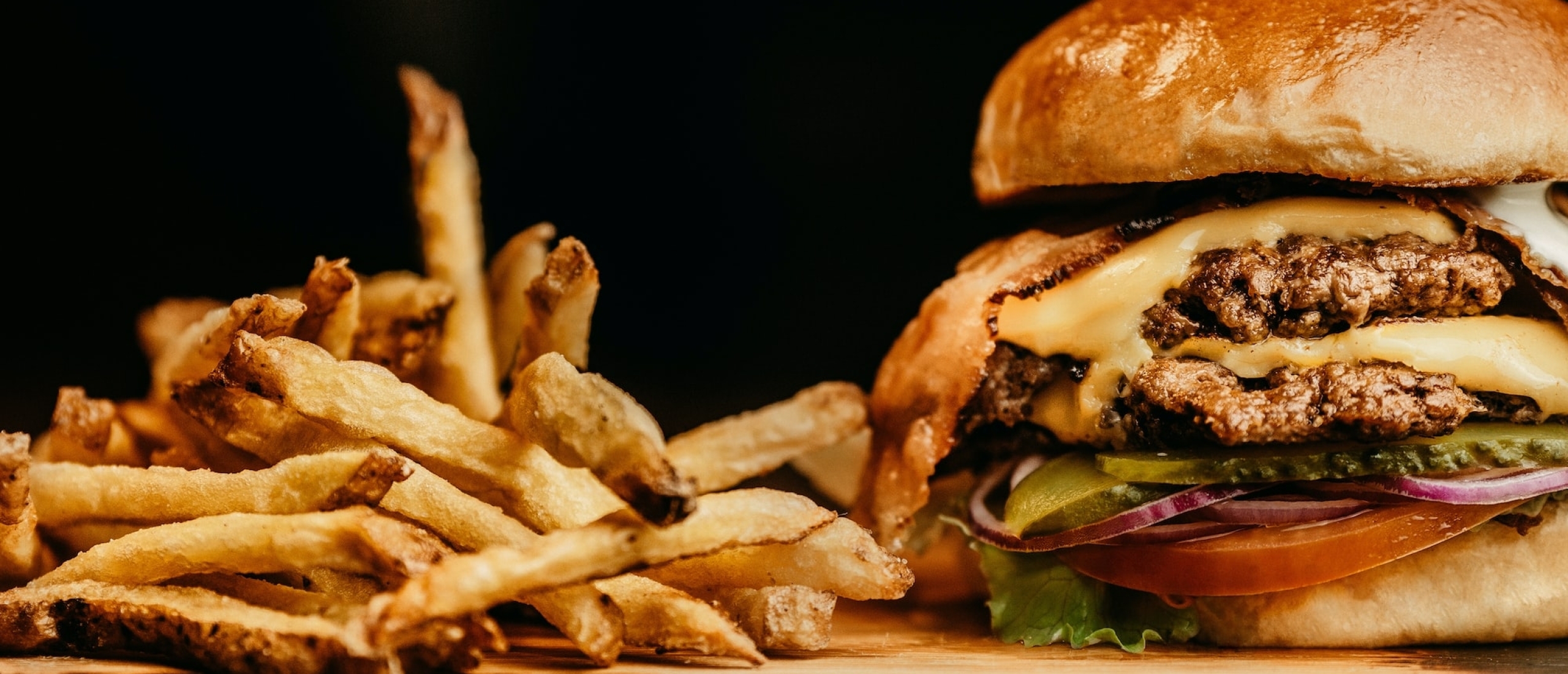

After a stressful day, many people find themselves reaching for chocolate, crisps, ice cream, or other comfort foods.
Often, this has little to do with physical hunger.
Instead, eating becomes a way of finding temporary relief from pressure, frustration, anxiety, boredom, or mental exhaustion.
Occasional comfort eating is a normal part of life. Problems tend to arise when eating becomes one of the brain's preferred ways of coping with stress. Over time, this can contribute to weight gain, unhealthy habits, and a growing disconnect between emotional needs and physical hunger.
Understanding why stress eating occurs can make it easier to recognize the pattern and respond differently.
Key Takeaways
- Stress eating refers to eating in response to emotions rather than physical hunger.
- Not everyone responds to stress in the same way. Some people eat more, others eat less.
- Cortisol and insulin can increase the motivation to seek comfort foods during periods of stress.
- Repeated stress eating can gradually become an automatic habit.
- The emotional brain plays an important role in linking stress relief to eating behaviour.
- Long-term stress eating may contribute to weight gain, obesity, and reduced wellbeing.
- Understanding the pattern is often the first step toward changing it.
Stress Eating Is Often About Relief, Not Hunger
Many people assume that eating is primarily driven by hunger.
In reality, eating behaviour is influenced by many factors, including emotions, habits, social situations, memories, and stress.
When people talk about stress eating, they are usually describing a situation in which food is used to change how they feel rather than to satisfy a nutritional need.
For example, someone may arrive home after a demanding day at work feeling mentally exhausted. Although they are not particularly hungry, they find themselves searching for something sweet or fatty.
The food provides temporary comfort.
For a short period, stress, frustration, or anxiety feels less intense.
This relief is one reason stress eating can become such a powerful habit.
Why Do Some People Eat More During Stress?
People respond to stress in different ways.
Research suggests that:
- round 40% of people eat more when stressed.
- round 40% eat less.
- The remaining 20% show little change in eating behaviour.
People who are already overweight or at the higher end of the normal weight range are generally more likely to increase their food intake during stressful periods.
Part of the explanation may involve insulin, a hormone involved in energy storage and appetite regulation.
Higher insulin levels can increase the appeal of sweet and fatty foods, making comfort foods particularly attractive during periods of stress.
How Stress Changes the Brain's Motivation Systems
The urge to eat during stress is not simply a matter of willpower.
Several brain systems work together to influence motivation and behaviour.
The Conscious Emotional Brain
Regions such as the insula and anterior cingulate cortex contribute to emotional awareness and conscious decision making.
These areas help us recognize feelings, evaluate situations, and make deliberate choices.
The Emotional and Habit Systems
Deeper brain structures, including the amygdala, nucleus accumbens, and basal ganglia, operate more automatically.
These systems help create emotional memories, motivate behaviour, and build habits.
They are particularly important in stress eating because they learn which behaviours provide relief during difficult moments.
The Stress Regulation System
The hypothalamus helps coordinate the body's response to pressure.
When stress occurs, activation of the HPA axis leads to the release of cortisol.
Cortisol increases motivation and helps mobilize energy to cope with challenges.
Importantly, cortisol does not specifically make people crave chocolate or fast food.
However, when elevated cortisol is combined with insulin, the desire for sweet and calorie-dense foods often increases.
How Comfort Foods Become Part of the Stress Response
Research suggests that comfort foods can temporarily reduce activity in some of the brain systems involved in stress.
This helps explain why people often feel better after eating foods they enjoy.
What makes stress eating important is the way the brain learns from repeated experiences.
Every time eating provides relief from stress, the association becomes a little stronger.
Over time, the brain begins to connect:
Stress → Eat → Feel Better
As this pattern repeats, eating gradually becomes a preferred coping strategy.
The behaviour requires less conscious thought and becomes increasingly automatic.
How Habits Form in the Brain
One of the most important insights from stress research is that repeated behaviours gradually become habits.
The brain is constantly looking for efficient ways to solve problems. When a particular behaviour consistently provides relief, the brain learns to repeat it.
This process involves structures known as the basal ganglia, which play a central role in habit formation.
Imagine someone who repeatedly reaches for a snack after a stressful meeting.
The first few times, the decision may be conscious:
"I've had a difficult day. I deserve a treat."
After dozens or hundreds of repetitions, much less conscious thought is required.
The stressful feeling itself becomes the trigger.
Before long, the person may find themselves opening the cupboard or refrigerator almost automatically whenever they feel overwhelmed, frustrated, tired, or anxious.
At that point, eating is no longer primarily a response to hunger. It has become a learned behavioural pattern.
Stress Eating Can Become an Automatic Response
One reason stress eating can be difficult to change is that the behaviour often becomes increasingly automatic.
Each time eating provides relief from stress, frustration, or anxiety, the brain strengthens the association between discomfort and food.
Over time, less conscious decision making may be involved. The stressful feeling itself can become the trigger for eating.
Many people notice changes in their eating habits long before they notice changes in their weight or health. What begins as an occasional source of comfort can gradually develop into a familiar response to pressure.
This helps explain why stress eating often feels difficult to control. The behaviour is no longer driven solely by hunger. It has become linked to the way the brain responds to emotional discomfort.
Why Stress Eating Can Lead to Weight Gain
Occasional comfort eating is unlikely to cause significant problems.
The challenge arises when stress eating becomes a regular coping strategy.
Comfort foods tend to be high in calories, sugar, and fat. Repeated consumption increases overall calorie intake and may contribute to gradual weight gain.
At the same time, elevated insulin levels encourage energy storage, particularly in abdominal fat tissue.
When stress eating becomes habitual, the combination of increased calorie intake and altered metabolism can increase the risk of:
- Weight gain
- Obesity
- Insulin resistance
- Type 2 diabetes
- Cardiovascular disease
These changes usually develop gradually rather than appearing overnight.
The person often notices the consequences only after the habit has been established for months or years.
Stress Eating Does Not Resolve the Source of Pressure
Comfort foods can provide genuine relief.
That relief should not be dismissed.
The problem is that eating typically changes how we feel without changing the situation that created the stress in the first place.
A demanding workload remains demanding.
A difficult relationship remains difficult.
Financial concerns remain unresolved.
As a result, the pressures that triggered the eating behaviour often continue to return.
This creates a cycle in which stress leads to eating, eating provides temporary relief, and the same pressures eventually trigger the behaviour again.
Because the relief is immediate, the brain has little incentive to search for alternative ways of responding. Over time, eating can become the default coping strategy, even when it does little to address the circumstances that originally triggered the stress.
Understanding this cycle is often the first step toward changing it.
How to Break the Stress Eating Cycle
Changing a habit is rarely a matter of willpower alone.
Because stress eating often operates automatically, it helps to focus first on awareness.
Ask yourself:
- When do I tend to eat without being hungry?
- Which situations trigger the urge to eat?
- What emotions am I experiencing beforehand?
- What need am I trying to satisfy?
These questions can help uncover patterns that might otherwise remain invisible.
Mindfulness
Mindfulness helps create awareness of thoughts, emotions, and physical sensations before automatic behaviours take over.
By recognizing stress triggers earlier, people may be able to make more deliberate choices.
Cognitive Behavioral Therapy
CBT helps identify thought patterns that contribute to emotional eating and replace them with more helpful responses.
Relaxation and Stress Reduction
Techniques such as relaxation training, breathing exercises, biofeedback, and meditation can reduce stress levels and decrease the urge to seek relief through food.
Healthy Lifestyle Habits
Several everyday habits can reduce vulnerability to stress eating:
- Sufficient sleep
- Regular meals
- Physical activity
- Social support
- Opportunities for recovery
These factors do not eliminate stress, but they can make it easier to respond to pressure without relying on food for relief.
Occasional Comfort Eating Is Normal
Most people occasionally eat for emotional reasons.
Enjoying chocolate after a difficult day or celebrating with a favourite meal is part of normal human behaviour.
Occasional comfort eating is rarely a cause for concern. Difficulties are more likely to arise when eating becomes the primary way of coping with stress.
When comfort eating occurs occasionally, it is unlikely to cause major problems.
When it becomes the default response to pressure, the effects on health and wellbeing can gradually accumulate.
Recognizing the difference allows people to respond with greater awareness rather than self-criticism.
Stress Eating Often Starts Before We Notice It
One reason stress eating can be difficult to change is that it often develops gradually.
The first signs may be subtle:
- More frequent snacking
- Increased cravings for comfort foods
- Eating while distracted
- Turning to food after stressful events
Over time, these behaviours can become established habits.
Understanding how pressure influences behaviour makes it easier to recognize these patterns early and respond before they become more deeply ingrained.
Understanding comes first. Meaningful change often follows from there.
Want to Recognize the Early Signs of Too Much Pressure?
Stress eating is just one of many ways sustained pressure can influence behaviour.
The free guide "Signs You're Under Too Much Pressure" explains how pressure can gradually affect habits, concentration, recovery, motivation, and wellbeing long before more serious problems develop.
Download your copy and learn how to recognize the signs earlier.
Frequently Asked Questions
What is stress eating?
Stress eating, also known as emotional eating, refers to eating in response to emotions such as stress, anxiety, frustration, boredom, or sadness rather than physical hunger.
Why do I crave sugary foods when stressed?
Stress hormones and insulin can increase the appeal of sweet and fatty foods. These foods may temporarily reduce feelings of stress and activate reward systems in the brain.
Does everyone eat more during stress?
No. Research suggests that some people eat more during stress, some eat less, and others show little change in eating behaviour.
Can stress eating become a habit?
Yes. Repeatedly using food to cope with stress can strengthen neural pathways involved in habit formation, making eating a more automatic response to discomfort.
Is occasional comfort eating a problem?
Usually not. Occasional comfort eating is common and generally harmless. Problems are more likely to arise when emotional eating becomes a frequent or primary way of coping with stress.