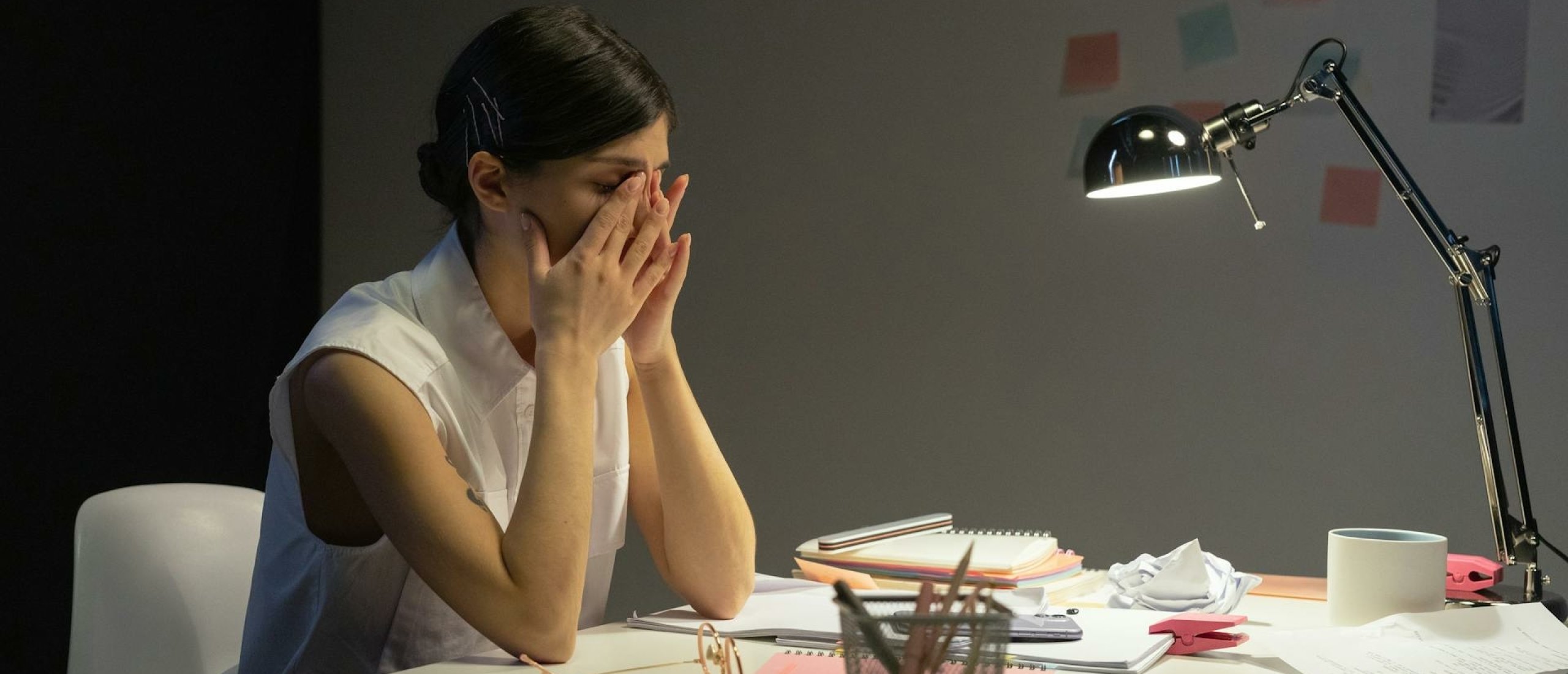

How to Recognize Stress at Work: Spotting Early Changes in Colleagues and Employees
Recognizing stress in other people is not always easy.
Many employees continue to perform their responsibilities while struggling internally.
Others dismiss their own stress as a temporary busy period.
As a result, signs of pressure often go unnoticed until more serious problems emerge.
Yet stress rarely appears all at once.
More often, it shows up through small changes in how people think, feel, behave, and perform.
A colleague who was once engaged becomes quieter.
A reliable employee starts missing deadlines.
Someone who normally enjoys working with others begins withdrawing from conversations.
These changes do not automatically mean someone is experiencing stress.
At the same time, they can provide important clues that pressure may be affecting how a person is functioning.
Recognizing these patterns early creates an opportunity to offer support before stress develops into more serious difficulties.
Key Takeaways
- Stress often becomes visible through gradual changes in behaviour, emotions, thinking, and performance.
- Early recognition can help prevent pressure from developing into more serious problems.
- The most useful observations often involve changes from a person's normal pattern of functioning.
- Managers and colleagues do not need to diagnose stress to have a supportive conversation.
- Small, respectful conversations can make a meaningful difference.
Stress Often Appears as Change
One of the challenges of recognising stress is that there is no single symptom that confirms it.
People respond differently to pressure and when feeling stressed.
Some become quieter.
Others become more irritable.
Some work longer hours.
Others struggle to stay engaged.
Because of these differences, it is often more useful to look for changes rather than specific symptoms.
Ask yourself:
- Has this person's behaviour changed recently?
- Do they seem different from their usual self?
- Are they functioning differently than before?
Stress frequently becomes visible through these shifts long before someone openly says they are struggling.
Changes in Emotions and Mood
Pressure can influence how people experience and express emotions.
You may notice that someone:
- Appears more irritable than usual
- Becomes frustrated more quickly
- Seems worried or tense
- Loses enthusiasm for projects they previously enjoyed
- Appears emotionally exhausted
- Reacts more strongly to minor setbacks
These shifts sometimes reflect the cumulative effects of pressure rather than a sudden change in personality.
The person may simply be carrying more demands than before.
Changes in Behaviour
Behavioural changes are often among the easiest signs to observe.
Examples include:
- Withdrawing from conversations or social activities
- Participating less during meetings
- Working unusually long hours
- Taking fewer breaks
- Becoming less responsive than usual
- Increasing reliance on alcohol, smoking, or other coping behaviours
- Showing signs of fatigue or poor sleep
A single behaviour rarely tells the whole story.
Patterns that develop over time tend to be more informative.
Changes in Thinking and Performance
One of the less obvious effects of stress is its impact on concentration and decision making.
As pressure increases, attention is often drawn toward immediate concerns and unresolved problems.
This can leave fewer mental resources available for other tasks.
Possible signs include:
- Difficulty concentrating
- Forgetfulness
- Indecisiveness
- Increased mistakes
- Difficulty prioritising work
- Slower problem solving
Many people assume these changes reflect carelessness or lack of motivation.
In reality, they may indicate that the person is operating under a heavier cognitive load than usual.
Looking for Patterns Rather Than Isolated Signs
A single bad day tells us very little.
Everyone experiences periods of fatigue, distraction, or frustration.
Stress becomes easier to recognise when similar changes appear across multiple areas of functioning.
For example:
- A normally engaged colleague becomes quieter.
- They seem more tired than usual.
- They start forgetting details.
- Their work quality begins to slip.
Viewed individually, each change may seem insignificant.
Together, they may suggest that pressure is beginning to have a broader impact.
The ABC Framework
One helpful way to think about stress is through three areas of functioning.
A = Affective (Emotions)
How does the person seem to feel?
Do they appear worried, frustrated, overwhelmed, or emotionally exhausted?
B = Behaviour
What changes can you observe in their actions?
Have they become more withdrawn, reactive, or isolated?
C = Cognition
How are they thinking and functioning?
Are they struggling with concentration, memory, prioritisation, or decision making?
Looking across all three areas often provides a clearer picture than focusing on a single sign.
How to Start a Conversation About Stress
Many people hesitate to bring up stress.
They worry about sounding intrusive.
They do not want to embarrass someone.
They fear saying the wrong thing.
Yet a simple conversation is often more valuable than people realise.
Giving someone the opportunity to talk about what they are experiencing can be helpful in itself.
Feeling heard and understood may reduce isolation and make it easier to discuss possible next steps.
Simple questions can help:
- "How have things been going lately?"
- "You seem to have a lot on your plate at the moment. How are you doing?"
- "I've noticed you've seemed quieter than usual recently. Is everything okay?"
These conversations work best when they are based on observation rather than assumptions.
Instead of saying:
"You seem stressed."
Try:
"I've noticed you seem more tired than usual."
or
"I've noticed you've been quieter during meetings recently."
This gives the other person room to explain their situation in their own words.
What Managers Can Do
Managers are often among the first people to notice changes in performance or behaviour.
This places them in a unique position to support employees early.
Helpful actions may include:
- Creating opportunities for open conversations
- Clarifying priorities
- Reviewing workloads
- Reducing unnecessary uncertainty
- Encouraging recovery and time off when needed
- Helping employees regain a sense of control over their work
In many cases, employees already know they are struggling.
What they need is a working environment where discussing those difficulties feels safe.
Why Early Recognition Matters
The effects of sustained pressure often develop gradually.
Small changes in behaviour, mood, concentration, and performance may appear long before more serious difficulties become visible.
Recognising these patterns early creates an opportunity for conversation, support, and adjustment.
It can help colleagues, managers, and employees better understand what pressures may be present and whether changes are needed.
Early conversations are often valuable because they take place while people still have energy, perspective, and options available.
What Stress Can Tell Us About the Workplace
When several employees begin showing similar signs of stress, it is worth looking beyond the individuals involved.
Questions worth asking include:
- Are workloads realistic?
- Do employees have sufficient control over their work?
- Are expectations clear?
- Is there enough recovery between periods of high demand?
- Are people receiving the support they need?
Stress does not arise in a vacuum.
The work environment often influences how much pressure people experience and how effectively they can recover from it.
Looking at these broader factors can sometimes reveal opportunities for improvement that benefit everyone.
Want to Better Understand the Signs of Too Much Pressure?
Changes in behaviour, emotions, thinking, and performance are often among the earliest signs that pressure is beginning to affect functioning.
The free guide Signs You're Under Too Much Pressure explains the physical, emotional, cognitive, and behavioural changes that commonly appear when pressure remains elevated for extended periods.
It can help individuals, colleagues, and managers recognise these patterns earlier.
Frequently Asked Questions
What are the first signs of stress at work?
Early signs often include changes in mood, concentration, behaviour, energy levels, and engagement. The most useful clue is usually a noticeable change from the person's normal pattern of functioning.
How can managers recognise stress in employees?
Managers can look for changes in communication, work quality, participation, decision making, attendance, and overall engagement. Patterns that persist over time are often more informative than isolated incidents.
What is the best way to support a stressed colleague?
Start with a respectful conversation. Listen without judgement, express concern based on observations, and create space for the person to share what they are experiencing.
Can stress affect work performance?
Yes. Sustained pressure can affect concentration, decision making, memory, motivation, and emotional regulation, all of which influence performance.
Should managers try to diagnose stress?
No. Managers do not need to diagnose stress. Their role is to notice changes, start supportive conversations, and help create conditions that support healthy functioning and recovery.